

Why it exists
It was never a willpower problem.
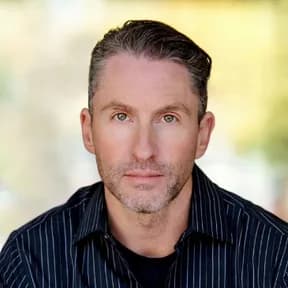
I'm a Swedish family physician. For twenty years, first in the exam room and then online, I kept meeting the same person: someone doing their honest best, gaining weight anyway, and quietly concluding that they were the failure. I stopped believing that story long ago. Much of the modern food supply is engineered to push you past fullness, and when it works as designed, that is not a willpower problem. What decides whether eating less is bearable is satiety: how full food keeps you for the calories it carries. It turns out to be measurable. Almost nobody measures it.
In 2007, between patients, I started a food blog that grew into Diet Doctor, for years the world's largest low-carb site, with half a million readers a day, funded by its members and never by ads or industry money. By 2015 I had left the clinic to run it full time. That work taught me how many people are in this fight. It also taught me, slowly and against my own convictions, that the useful question was never which foods to forbid. It was which foods genuinely fill you up.
My next company bet on exactly that question, as a subscription app. The science held up. The business did not: it cost more to run than it earned, for longer than we could carry, and in 2026 it went bankrupt. I won't dress that up. It failed, and I was in charge. But that failure drew the blueprint for Sately.
Sately is the restart, built the other way round: public science, public data, small costs, and one source of income, the people it serves. Since September 2026 I'm back seeing patients as a family doctor, and Sately is built alongside that work.