The other side
Too high, for too long
A higher score means more fullness per calorie. Keep it near the top day after day, and you may simply eat too little. Here is what that costs, and how to turn it down.
6 min read · general information, not medical advice
1 · What happens
Past the goal, the weight keeps going.
Food that fills you up for few calories makes eating less easy. That's the point while you're losing weight. Keep eating that way at a weight you want to keep, and the weight can keep falling.
A normal weight
reached and kept
Leaner and fitter
weight comes off faster
Too lean, if it lasts
underweight, tired, low mood
Too little weight carries its own risk. Among millions of never-smokers, the risk of dying was 13% higher at a BMI of 18.5 to 20, and 51% higher below 18.5.
BMI (kg/m²) · higher risk of dying than at a BMI of 22.5–25
Some thin people are thin because they're already ill. The study tried to limit that, but can't rule it out.
The rest of the curve: What a normal weight gives back →
2 · Side effects
Losing fast has a price.
Most of these come from eating far too little, or losing weight very fast. Not from a filling plate, but they're a reason not to push it to the limit.
Gallstones
In a Swedish weight-loss program, a 500-calorie-a-day formula diet went with about 3.4 times as many gallstones needing hospital care as a 1,200–1,500-calorie diet. They stayed uncommon on both.
Muscle
Roughly a quarter of the weight lost on a diet is lean tissue, not fat. It's a rule of thumb that shifts with age and activity.
Bone
Dieting thins bone a little. In older adults, hip bone density fell about 1% with strength training in the mix, and nearly 3% with aerobic exercise alone.
Hair
After a hard diet, hair can shed heavily two to five months in. In the case reports, it grew back.
Periods and bones
Eat too little for what your body burns, and periods can stop and bones weaken. Sports medicine calls it low energy availability. Men get it too.
3 · The plate itself
Even a good plate can overdo it.
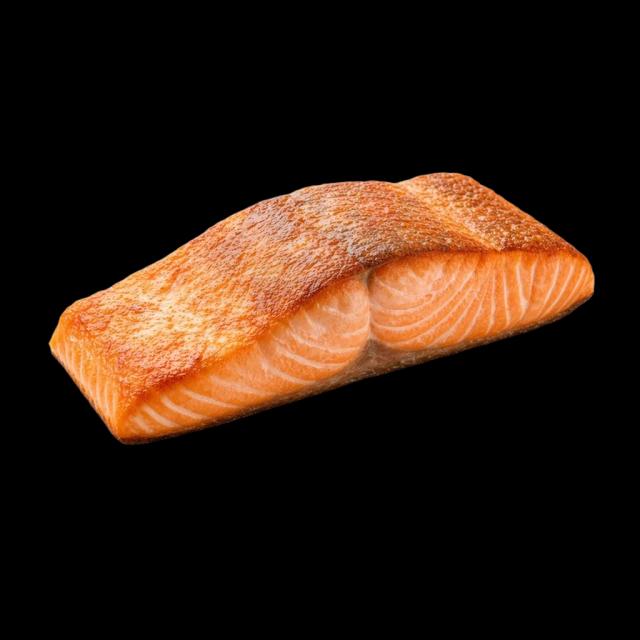
A very high score usually means a lot of fibre, a lot of protein and very little fat. Each is fine, up to a point.
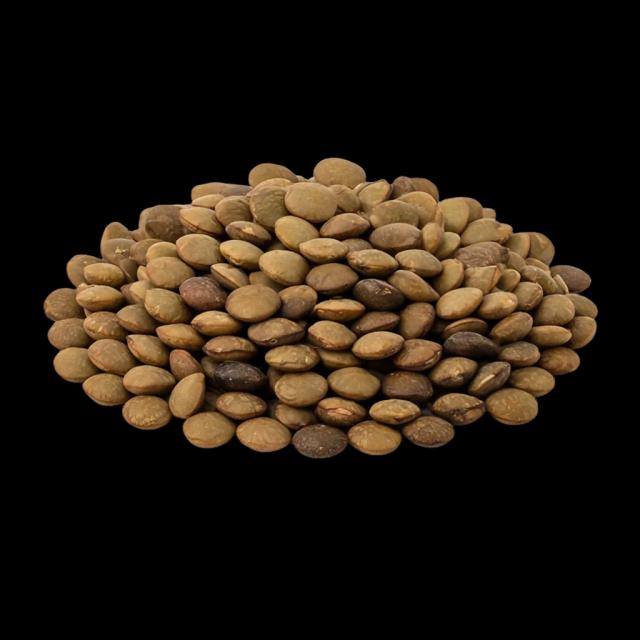 73
Lots of fibre
Fibre fills you up, and it can bloat. On three high-fibre diets, bloating went from 18% of people to as many as a third.
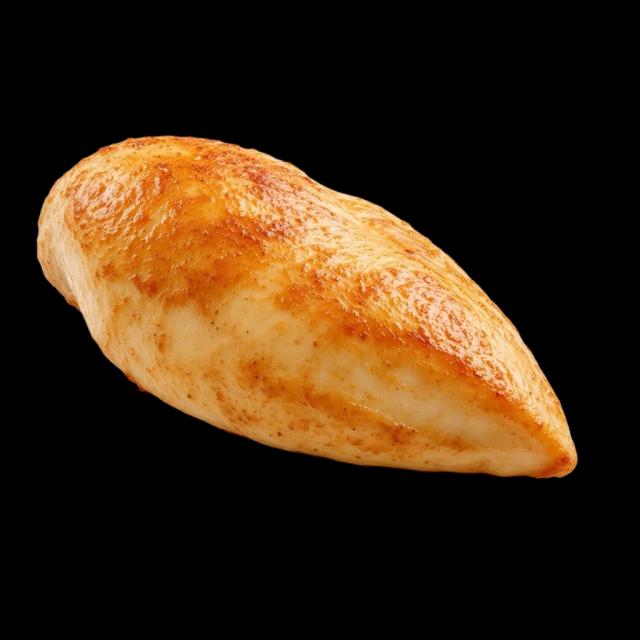 97
Lots of protein
With kidney disease, the kidney guideline suggests about 0.8 g of protein per kg of body weight a day, and no more than 1.3 g if the disease may get worse. In healthy adults, pooled trials of higher-protein diets found no harm to kidney function.Kidney disease? Talk to your doctor before a high-protein plate.
 43
A little fat with the vegetables helps.
Too little fat
Some nutrients need fat to be absorbed. In a small study, a salad with fat-free dressing gave the blood essentially none of its carotenoids, the plant pigments the body makes vitamin A from. More fat in the dressing, more absorbed.
4 · Protect what you keep
Lift something. Eat your protein.
Strength training guards muscle best. In a trial of 160 dieting older adults, lean mass fell about 5% with aerobic exercise alone, and 2–3% with strength training in the mix. Protein helps a little: across 24 trials, higher-protein diets kept about 0.4 kg (1 lb) more lean mass.


A number is a tool. Not a rule.
In a famous 1940s experiment, 36 healthy men ate about half their usual food for six months. Their mood fell, and food filled their thoughts, during the diet and after it. Teenagers who used unhealthy ways to control their weight had about six times the odds of binge eating five years later.
The score measures satiety per calorie. It's not a virtue scale, and no food is banned. If eating has started to feel like a test you keep failing, tell someone you trust, or your doctor.
5 · Who should not aim high
For some people, less is not the goal.
If one of these is you, a very high score is not for you, or not without your doctor beside you.
Underweight, or losing without trying
Weight loss you didn't plan is a reason to see a doctor, not to eat less.
Pregnant or breastfeeding
Your body needs more energy now, not less. Plan any change with your midwife or doctor.
Children and teens
Still growing. Food is for growth, not for losing.
Older or frail
After 65, a BMI in the overweight range wasn't linked to a higher risk of dying. Below about 23, it was.
Training hard
High energy needs. Eating too little for them harms hormones and bones.
A history of an eating disorder
A number to push can pull you back. Talk to your care team first.
On a GLP-1 medicine
Your appetite is already turned down. In one small study of semaglutide, people ate about a quarter less over a day of meals. A very high score on top can make too little too easy.General guidance, not medical advice. Talk to your prescriber.
On insulin or a sulfonylurea
These drugs raise the risk of low blood sugar, and eating much less can make a low more likely. In the DiRECT trial, doctors stopped diabetes medicines on the first day of the diet. Never do that on your own.Talk to your doctor before you change how you eat.
6 · Signs to turn it down
Check yourself against this list.
Tick any that fit. Nothing you tick is saved or sent.
7 · Turn the dial
A dial, not a target.
100 is a fact, not a goal. Losing weight? A higher score makes eating less easier. At a weight you want to keep, turn it down to around 50. Mix freely: a high-scoring lunch and a lower-scoring dinner are both fine.
- 2035
Weight settles high
toward overweight
- 50
A normal weight
reached and kept
- 6580
Leaner
for losing, too lean if it lasts
Sately's rule of thumb, not a measured finding. People differ; the scale and your doctor have the last word.
Ways to turn it down
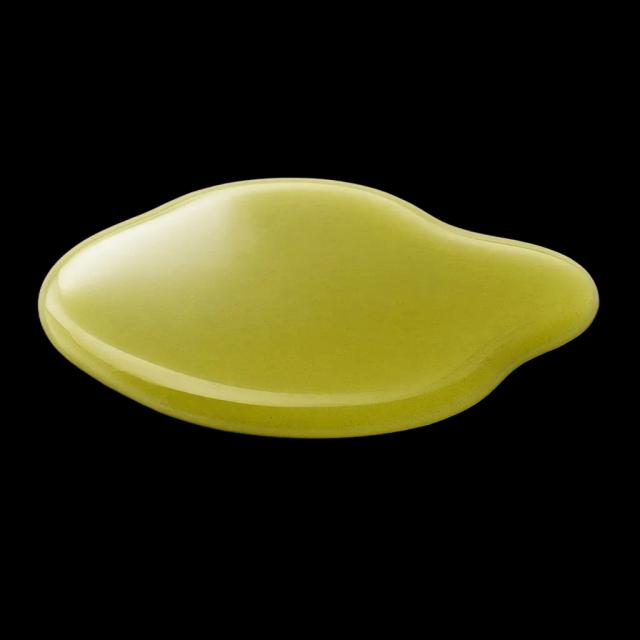 18Olive oil
 24Almonds
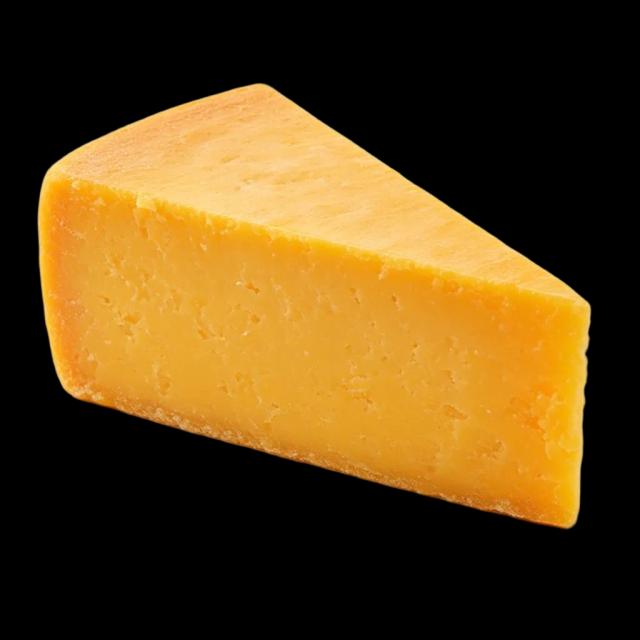 28Cheddar cheese
 32Whole wheat bread
 34Banana
Add some of these. No food is banned.
The one thing to remember
Use a high score to lose. Turn it down to keep.
- 1
Study without randomization— shows what happened, not why
10.6 million adults in 239 studies, the main analysis in 3.9 million never-smokers without chronic disease: the risk of dying was lowest at a BMI of about 20 to 25 and rose on both sides — 1.51 times at a BMI of 15 to 18.5, 1.13 at 18.5 to 20, 1.07 at 25 to 27.5, 1.20 at 27.5 to 30, 1.45 at 30 to 35, 1.94 at 35 to 40 and 2.76 at 40 to 60. The rise above 25 was steeper in younger people. To limit illness making people thin, it kept only never-smokers without known chronic disease and left out deaths in the first five years — but an observational study cannot rule it out.
- 2
Study without randomization— shows what happened, not why
Adults in a Swedish commercial weight-loss program, followed for a year: those on a 500 kcal-a-day formula diet had about 3.4 times the risk of gallstones needing hospital care of those on 1,200–1,500 kcal a day. The absolute risk was low. Not randomised.
- 3
Clinical guidance— expert judgment, not a study
A review of the widely used rule that about a quarter of the weight lost on a diet is lean tissue and three quarters fat — and of how age, activity and exercise move that share. A review, not a new study.
- 4
Randomized trial— strong — can show cause
160 older adults with obesity, all dieting, randomised to aerobic, resistance (strength) or combined training: lean mass fell about 5% with aerobic training alone and 2–3% with strength training in the mix; hip bone density fell about 1% with strength training in the mix and nearly 3% with aerobic training alone (the bone figures as the trial's 2020 bone report gives them). Losses were slowed, not prevented.
- 5
Case reports— proves it can happen, not how often
Goette DK, Odom RB. Alopecia in crash dieters. JAMA, 1976;235(24):2622–2623.
Nine people who lost 12 to 25 kg on hard diets: their hair shed heavily two to five months after they started, and grew back within several months. Case reports: they show it happens, not how often.
- 6
Clinical guidance— expert judgment, not a study
The Olympic movement's consensus: when people eat too little for what their training burns, hormones, periods, bones, digestion and performance suffer — a syndrome it calls REDs. It is seen in women and men, across many sports.
- 7
Randomized trial— strong — can show cause
164 adults fed three high-fibre diets (about 30 g of fibre per 2,100 kcal) for six weeks each, in random order: bloating went from 18% of people at the start to 24–33% on the diets, most on the protein-rich version.
- 8
Clinical guidance— expert judgment, not a study
The international kidney guideline: for adults with chronic kidney disease stages 3–5, about 0.8 g of protein per kg of body weight a day, and for those at risk of it getting worse, not more than 1.3 g.
- 9
Meta-analysis of trials— strongest — many trials pooled
Randomised trials in adults without kidney disease (28 papers, about 1,350 people), pooled: higher-protein diets did not change kidney filtration differently from normal- or lower-protein ones. Mostly short trials; the authors rate the evidence low to very low.
- 10
Small human experiment— suggestive — few people, short window
A small crossover study: the same salad with dressings of 0, 6 or 28 g of fat. With the fat-free dressing, 'essentially no absorption' of the salad's carotenoids (the plant pigments the body makes vitamin A from) was seen; more fat in the dressing meant more absorbed. Tiny and short.
- 11
Meta-analysis of trials— strongest — many trials pooled
24 randomised trials of weight-loss diets with the same calories, about 12 weeks long: the higher-protein diets kept about 0.4 kg more lean mass. The authors call the benefits modest.
- 12
Small human experiment— suggestive — few people, short window
A history of the 1944–45 Minnesota experiment: 36 healthy young men ate about half their usual food (about 1,570 kcal a day) for six months. Their mood fell, and food filled their thoughts, during the diet and after it. One small group of men, in wartime.
- 13
Study without randomization— shows what happened, not why
2,516 US teenagers followed for five years (Project EAT): those who used unhealthy ways to control their weight had about six times the odds of binge eating five years later (6.4 for girls, 5.9 for boys), and gained more weight. Observational.
- 14
Study without randomization— shows what happened, not why
Pooled studies of community-living adults aged 65 and over: a BMI in the overweight range was not linked to a higher risk of dying, while the risk rose below a BMI of about 23. Observational.
- 15
Small human experiment— suggestive — few people, short window
30 adults with obesity, 12 weeks of semaglutide (a GLP-1 medicine) against placebo in a crossover: at meals where they could eat as much as they liked, they ate about 24% less, and reported less hunger and fewer cravings. Small and short.
- 16
Clinical guidance— expert judgment, not a study
The American Diabetes Association's standards: insulin and the drugs that push the pancreas to release it (sulfonylureas, meglitinides) are among the factors that raise the risk of low blood sugar.
- 17
Randomized trial— strong — can show cause
306 people with type 2 diabetes diagnosed in the past six years, in UK general practices. Diabetes and blood-pressure drugs were stopped at the start, then a supervised 825–853 kcal formula diet for 3–5 months, food reintroduction and support: 46% were in remission at one year, against 4% with usual care.
- 18
Clinical guidance— expert judgment, not a study
England's guideline body: a weekly weight-loss target of at most 0.5 to 1 kg (about 1 to 2 lb), set with a health professional.
- 19
Clinical guidance— expert judgment, not a study
The WHO's adult weight classes: a BMI under 18.5 is underweight, and 18.5 to 25 the healthy range.
Keep reading
What a normal weight gives back
Blood sugar, blood pressure, the liver, sleep and joints, and why the first 5–10% matters most.