Chapter 7 of 7· 4 min read
What it can't do (yet)
The honest limits, and answers to common questions.

Sately measures one thing, and measures it carefully. Here is what it leaves out, where it can be wrong, and what is still unknown.
What the score sees, and what it doesn't
The score sees
The score sees
It doesn't see
The score sees
The score reads a food's nutrition label, per 100 g (3.5 oz), and nothing else.The score sees
It doesn't see
Proteinpushes upFiberpushes upWater and bulkpushes upSugarpulls downFat with starch or sugar, and saltpulls downAlcoholpulls downVitamins and mineralsFat and protein qualityProcessing a label can't showYour body and appetiteTaste and culturePrice and convenienceIt doesn't see
The score sees
It doesn't see
Proteinpushes upFiberpushes upWater and bulkpushes upSugarpulls downFat with starch or sugar, and saltpulls downAlcoholpulls downVitamins and mineralsFat and protein qualityProcessing a label can't showYour body and appetiteTaste and culturePrice and convenience- Leaving these out is on purpose: one clear question, asked the same way of every food.
The score sees
It doesn't see
Proteinpushes upFiberpushes upWater and bulkpushes upSugarpulls downFat with starch or sugar, and saltpulls downAlcoholpulls downVitamins and mineralsFat and protein qualityProcessing a label can't showYour body and appetiteTaste and culturePrice and convenience
The limits, one by one
Each card says what the limit is, and what Sately does about it.
Not tested as a whole
Each part of the score is backed by trials. The whole score has not yet been tested in a trial of its own.
What we do
Every number in it is public. The science →
Fullness is not nutrition
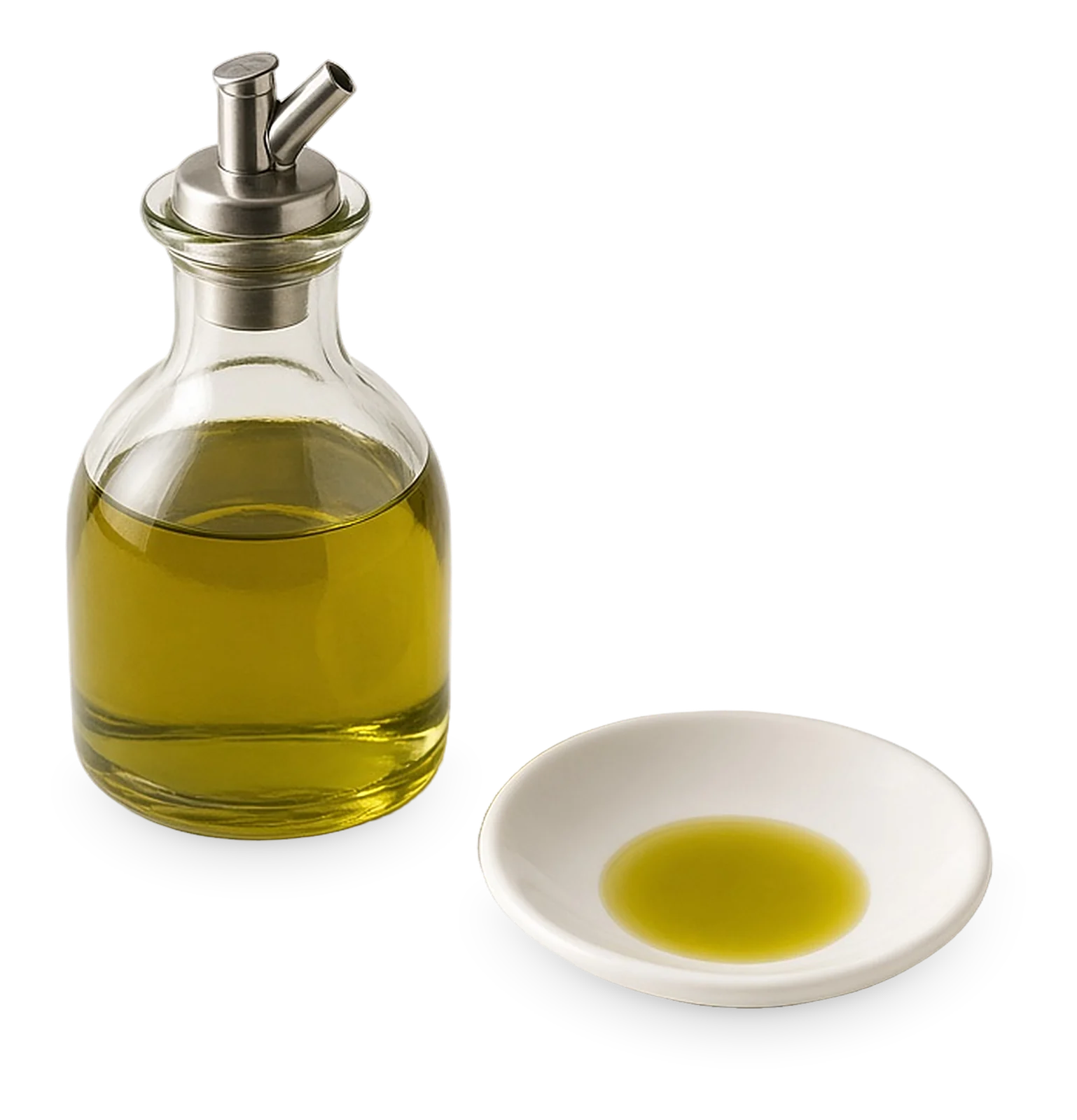
High means filling per calorie, not more nutritious. Olive oil scores 18: a fact about calories per bite, not a verdict on olive oil.
What we do
We never call a food good or bad.
 18
40kg
People differ
The score describes the food, not you. In one trial, weight changes on the same diet spanned about 40 kg (nearly 90 lb).
What we do
Members set their own protein target and a comfortable range for their day.

Labels can be wrong
Some stored labels have errors. Our own check is below.
What we do
We re-check labels and fix what we find.
Higher is not always better
100 is a fact, not a goal. Very high days, for weeks, can leave you short of energy.
What we do
We point you to better, not the top. Chapter 3 →
No special rule for drinks
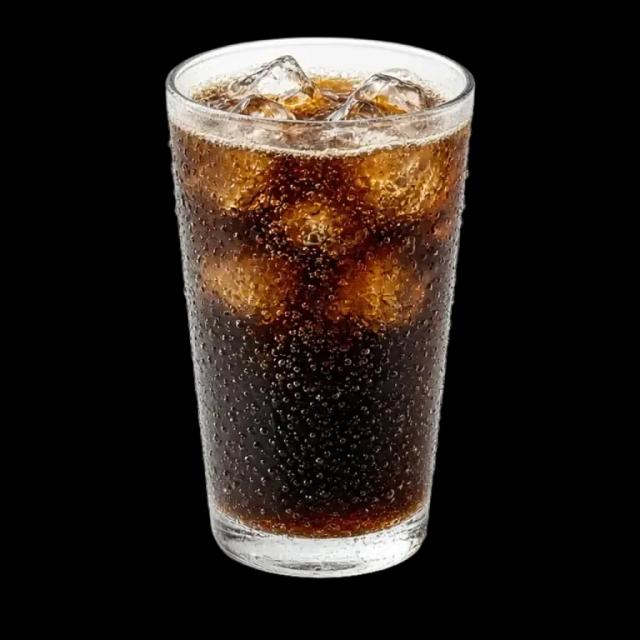
Soda scores low for its sugar, not for being a drink. Calories you drink may fill you even less.
What we do
We say openly that this is still being tested.
Menus and recipes are estimates
Mixed dishes vary the most. Recipe scores are computed from ingredients, not kitchen-tested.
What we do
We use each chain's own figures and mark estimates.
A score is only as good as its label
We re-read stored labels against photos of the real packs.
about 1 in 11
of the labels we had stored differed from a photo of the real label
- matches the pack
- differed from the pack
Your country's shelf
Packaged foods we can match by barcode, per country. Everyday foods and recipes are in every country.
How sately does it
The science page names the formula's weakest parts, in public.
It lists the three biggest bets and shows where the science ends and judgment begins. This chapter adds our own error rate.
Common questions
Is this a diet?
No. Nothing is banned, and any way of eating works. It shows which foods keep you full for their calories.
Does a high score mean healthy?
Not on its own. It means filling per calorie, which helps most people eat a little less. Vitamins, minerals and fat quality are not in it. More in chapter 2.
Do I still count calories?
You don't have to, but calories still count. Filling foods help you eat fewer without fighting hunger.
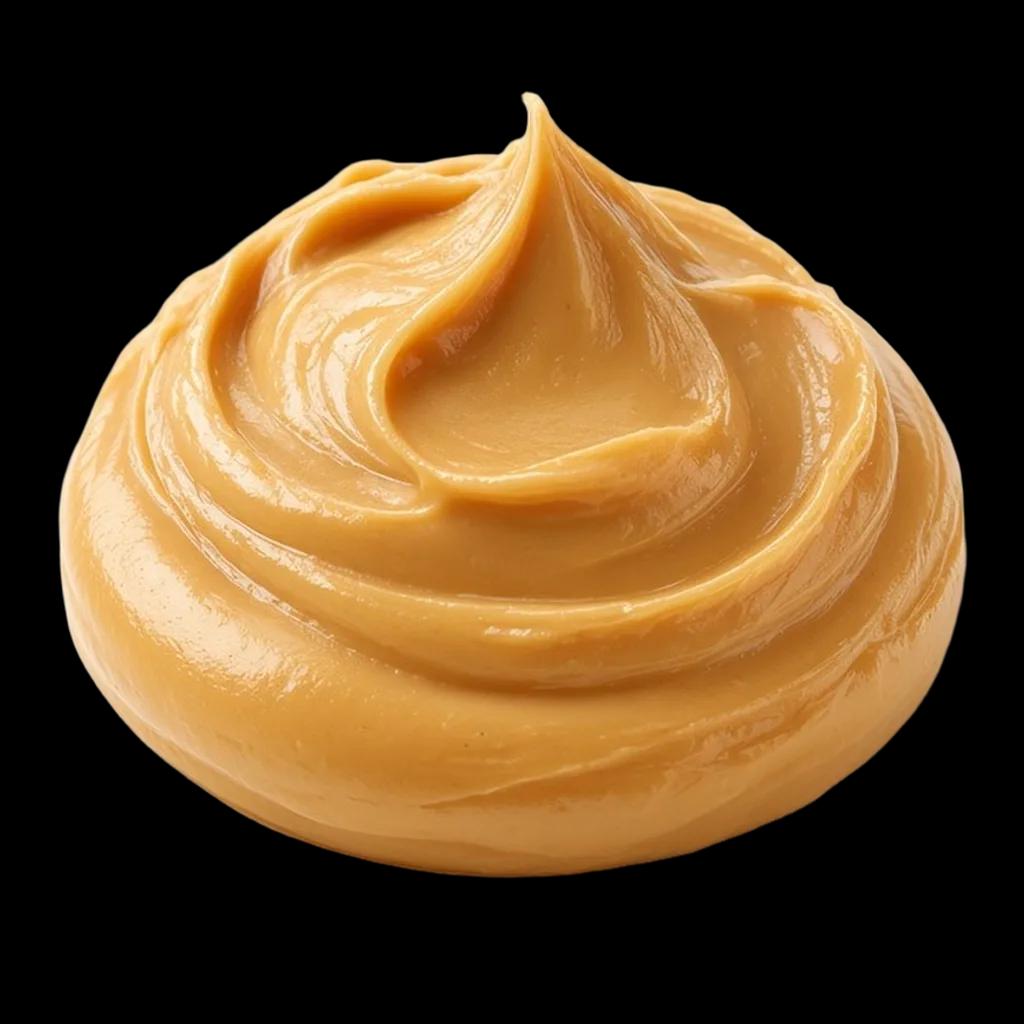
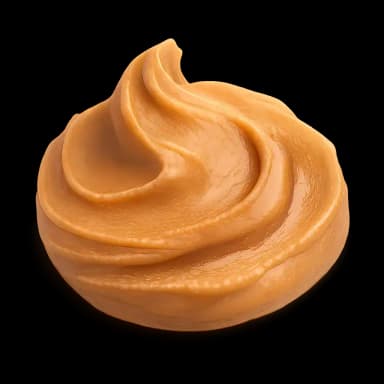
Why does peanut butter score so low?
 21
It scores 21: many calories in a small, dry bite. Only 32 g (1.1 oz) carries 200 calories. It can still belong in your day.
Has it been proven?
Its parts have, in trials. The combined score has not yet been tested in a trial of its own. Chapter 4 →
Can I use it with a GLP-1 medicine?
Yes. The score describes the food, so it reads the same either way. Sately is not against medication. General guidance, not medical advice — talk to your prescriber.
Why does my food show a dash?
 –
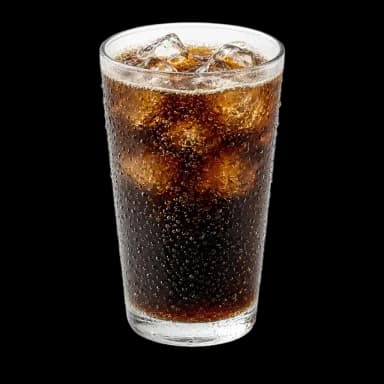 –
Foods under 10 calories per 100 g, like black coffee and diet cola, get a dash, never a zero. Ranking them would be fake precision.
Why is my country's shelf smaller?
We started with the US, Canada, the UK, Australia and Sweden. Other countries have fewer packaged foods so far.
Who pays for Sately?
Members, through subscriptions. No ads, no investors. Nobody pays to be scored, and a brand cannot buy a better number.
Spot a mistake? Tell us
Every food page has a “Report a problem” button. Pick what is wrong, and we check it.
Or email support@sately.co.
 21
Peanut butter
- Wrong nutrition
- Wrong picture
- Wrong shelf
- Listed twice
- Not sold where I am
The one thing to remember
Pick foods that keep you full for their calories, aim for better rather than perfect, and remember the score measures fullness, not everything.
Sources (3)
- 1
Randomized trial— strong — can show cause
609 people, a year, real coaching: low-fat lost 5.3 kg, low-carb 6.0 kg — a difference too small to call real, and individual results in both groups spanned about 40 kg. People differ more than diets do.
- 2
Randomized trial— strong — can show cause
The same foods eaten and drunk: the drinkable version was compensated for less well, so people ended the day having eaten more. About 40 people per comparison, single-day outcomes.
- 3
Small human experiment— suggestive — few people, short window
15 people added about 450 kcal a day for four weeks, once as jelly beans and once as soda. With the jelly beans they ate less of everything else; with the soda they did not, and their weight went up. Small, but the cleanest picture of why drunk calories slip past fullness.