Chapter 1 of 7· 4 min read
The big idea
Why some foods fill you up for their calories, and others barely touch your hunger.
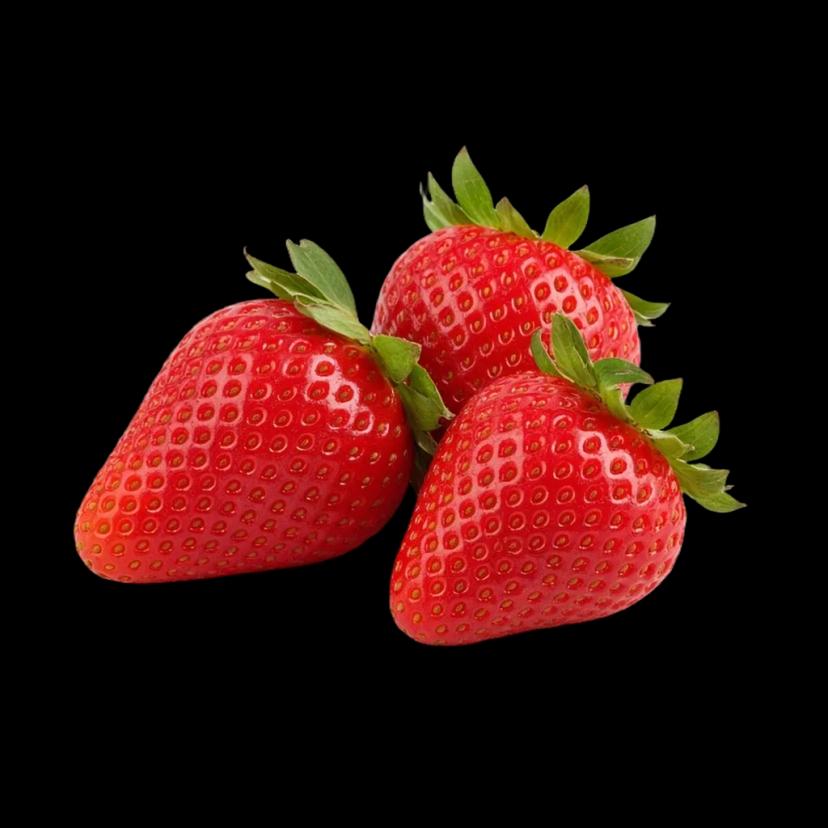
 92
Some foods keep you full for hours. Others barely touch your hunger, even with plenty of calories. That one difference is the whole idea behind Sately.
 0
Why eating less is so hard
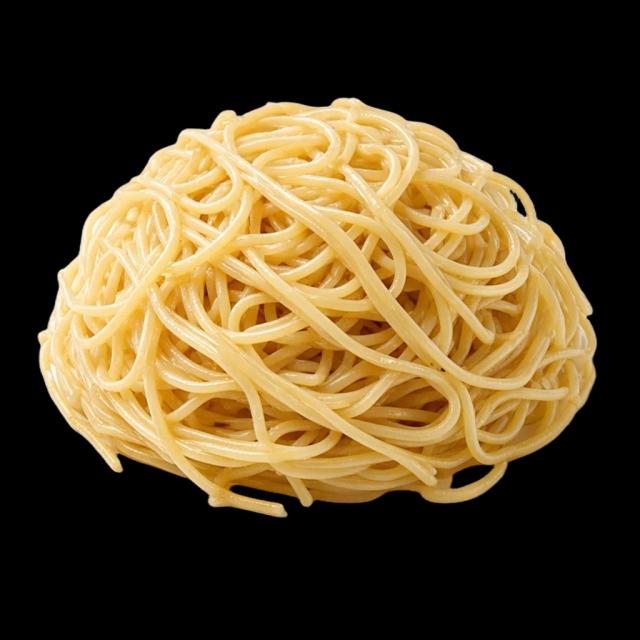
The usual advice is to eat less. Calories are real, so it can work for a while. But hunger pushes back, and it often wins. Over the years, most of the lost weight tends to come back.
That is not weak willpower. It is your body doing its job.
Change what you eat, not how much
Satiety means how full you feel, and for how long.
Satiety per calorie is how much fullness a food gives you for its calories.
Calories
Pick an amount of calories and see how much food it gets you.
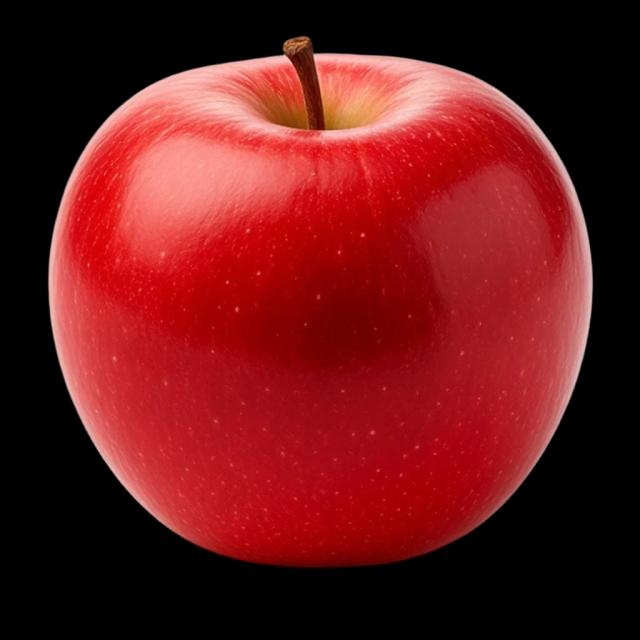
200 calories of each
- 92549 gStrawberries
- 66328 gApple
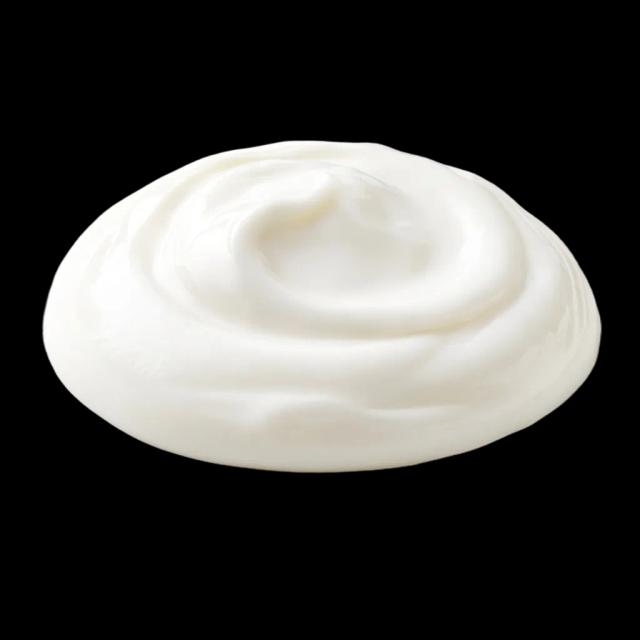
- 91328 gNonfat Greek yogurt
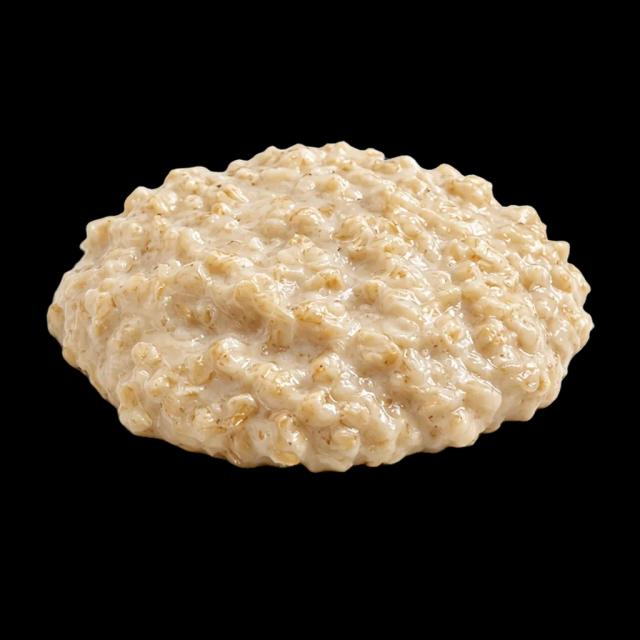
- 75313 gOatmeal
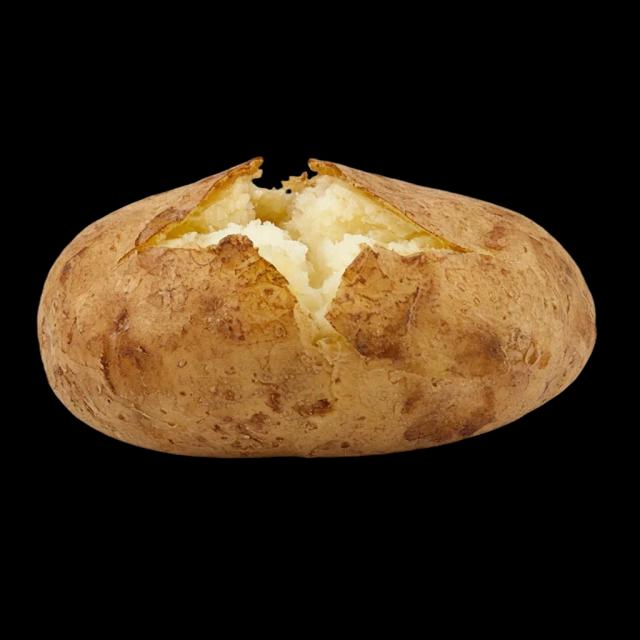
- 57215 gBaked potato
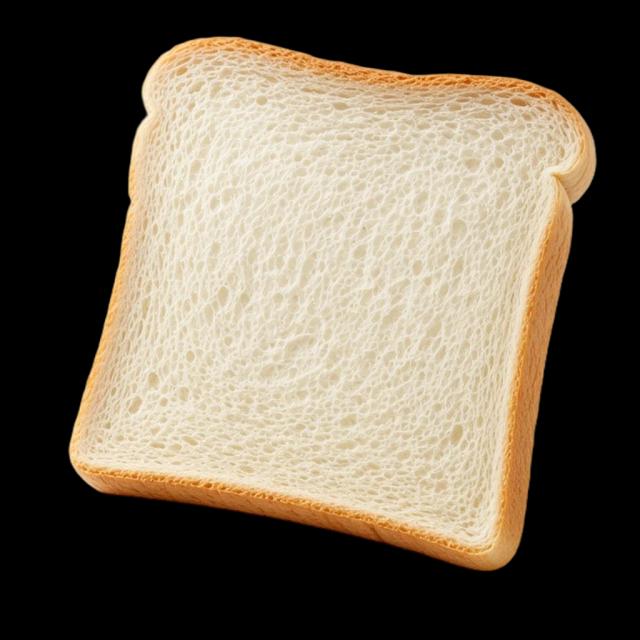
- 2275 gWhite bread
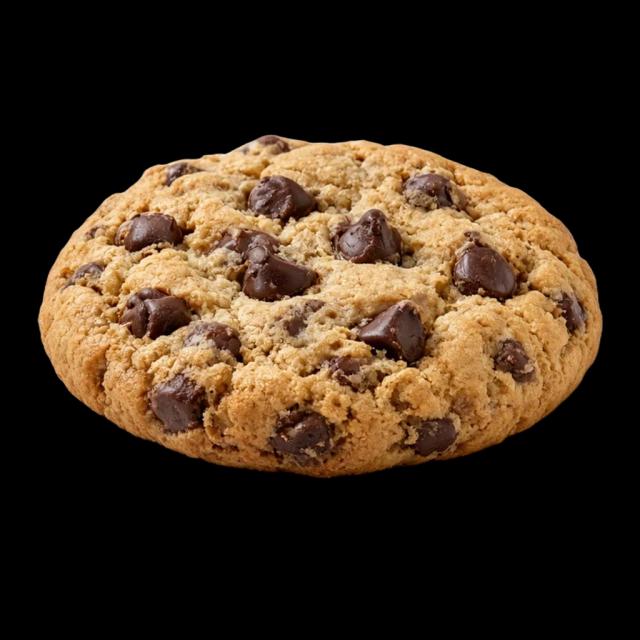
- 045 gChocolate chip cookie
- 238 gPotato chips
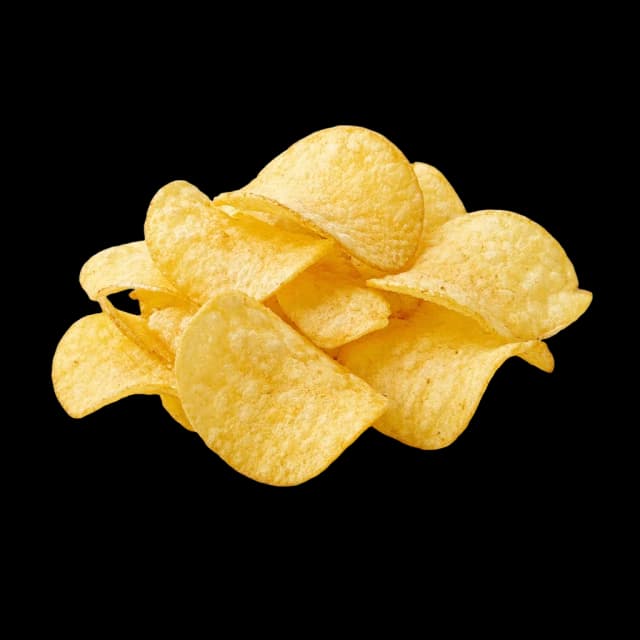
Same calories, very different amounts of food. The chip is each food's Sately score, from 0 to 100.
Picture it like this
Think miles per gallon
Calories are the gas. Fullness is how far you get. Some foods go a long way on one tank. Others run dry fast.

Why some foods fill you more
Three things make a food filling for its calories.
- Protein
The strongest fullness lever. Your body tends to keep you eating until it gets enough.
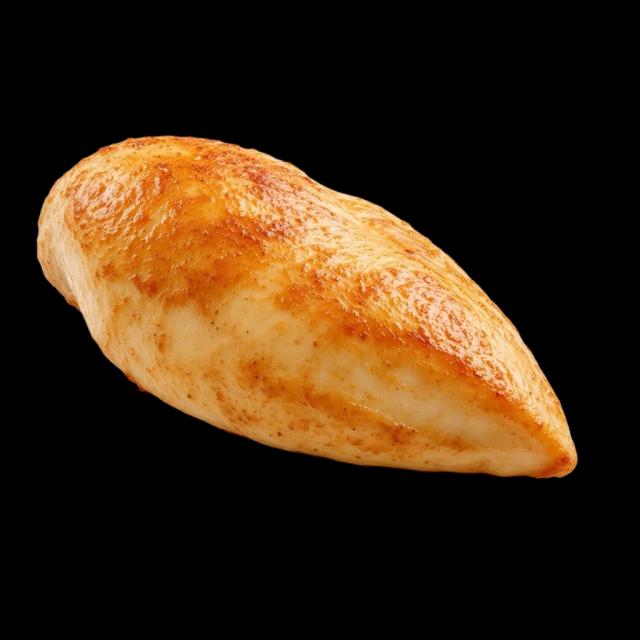 97Chicken breast31 g protein per 100 g
- Fiber
It helps, though less than its reputation, mostly by adding bulk.
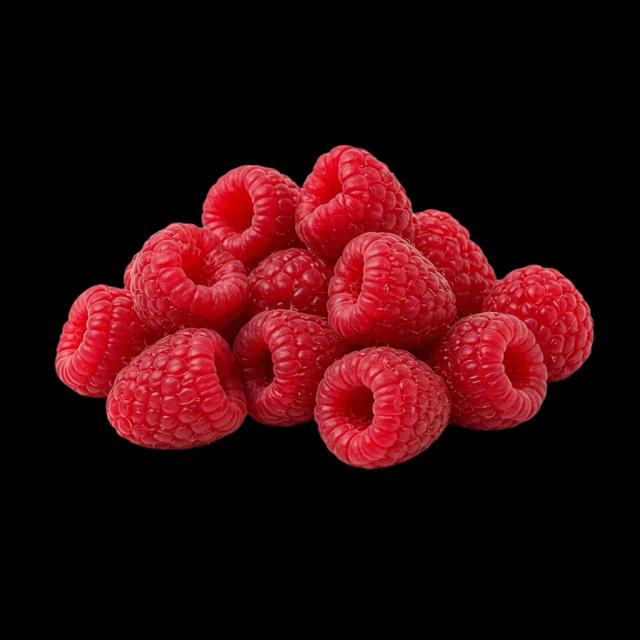 94Raspberries6.5 g fiber per 100 g
- Water
It adds size without calories, and your stomach notices size.
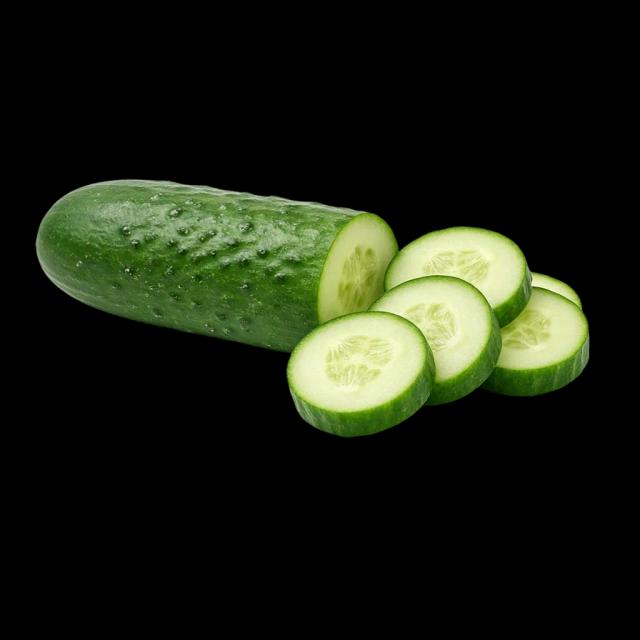 97Cucumberonly 16 calories per 100 g
The soup test
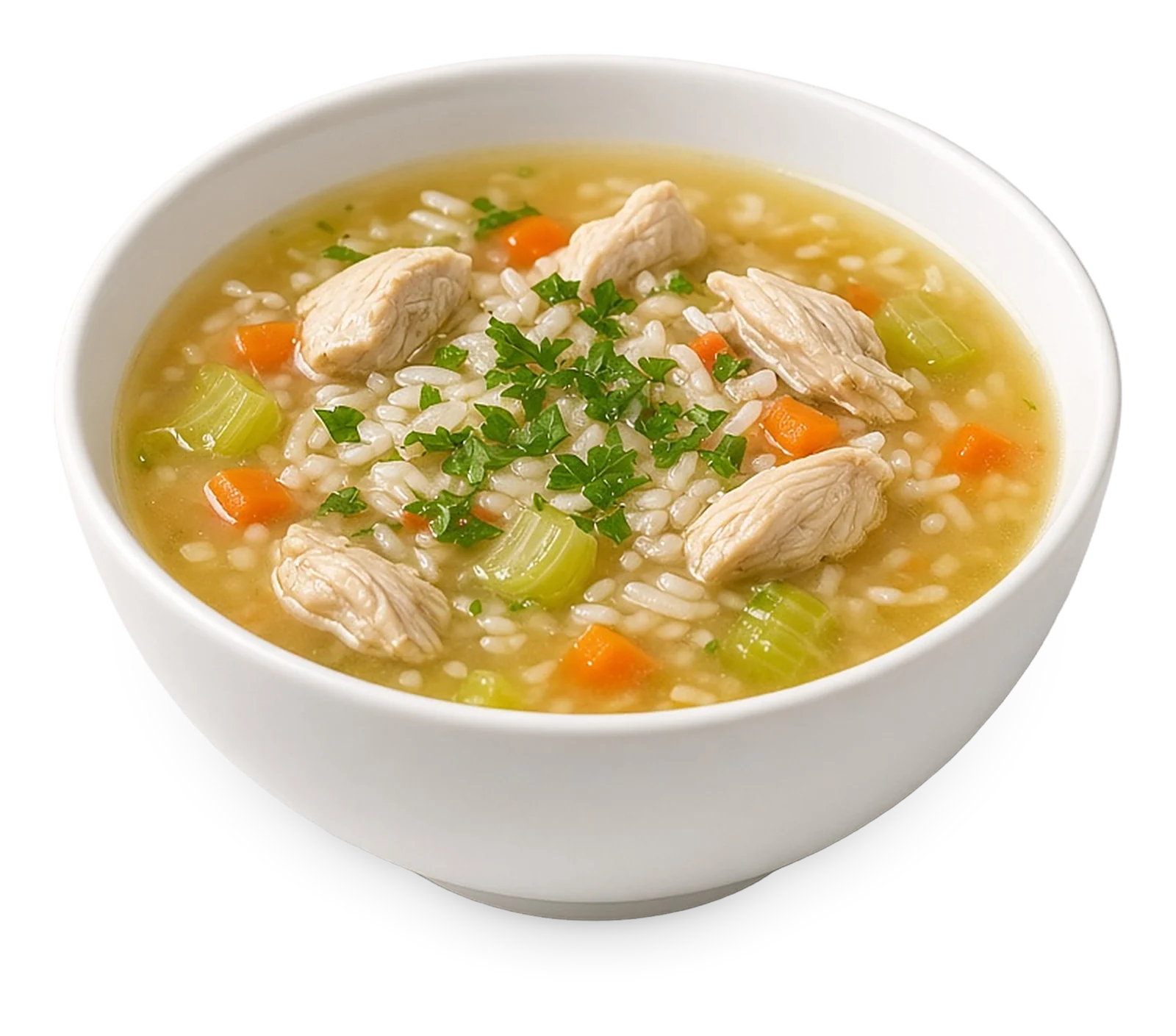
In one study, people got the same chicken-and-rice lunch three ways. Only one way made them eat less.
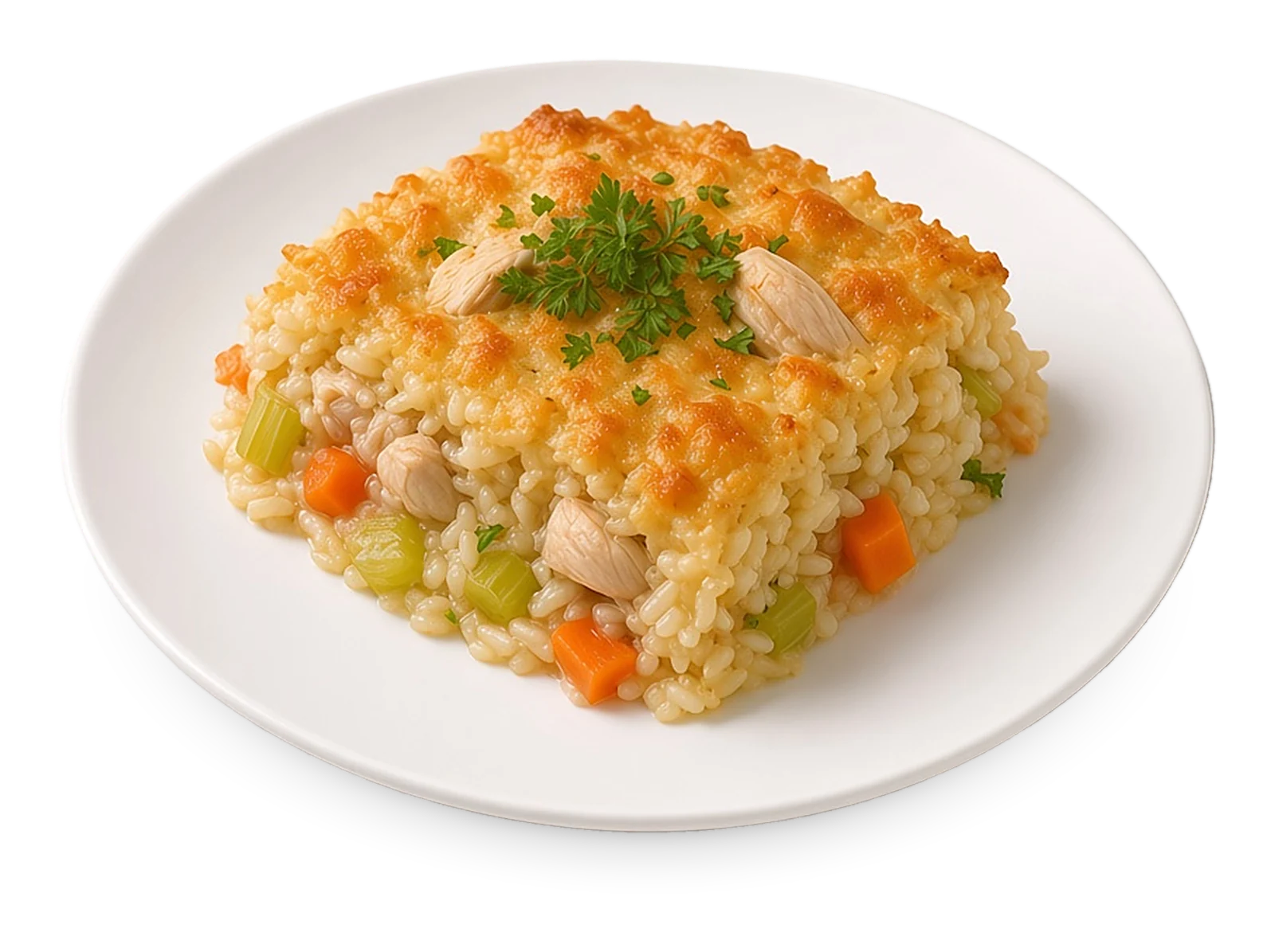
1
The casserole
Ate the usual
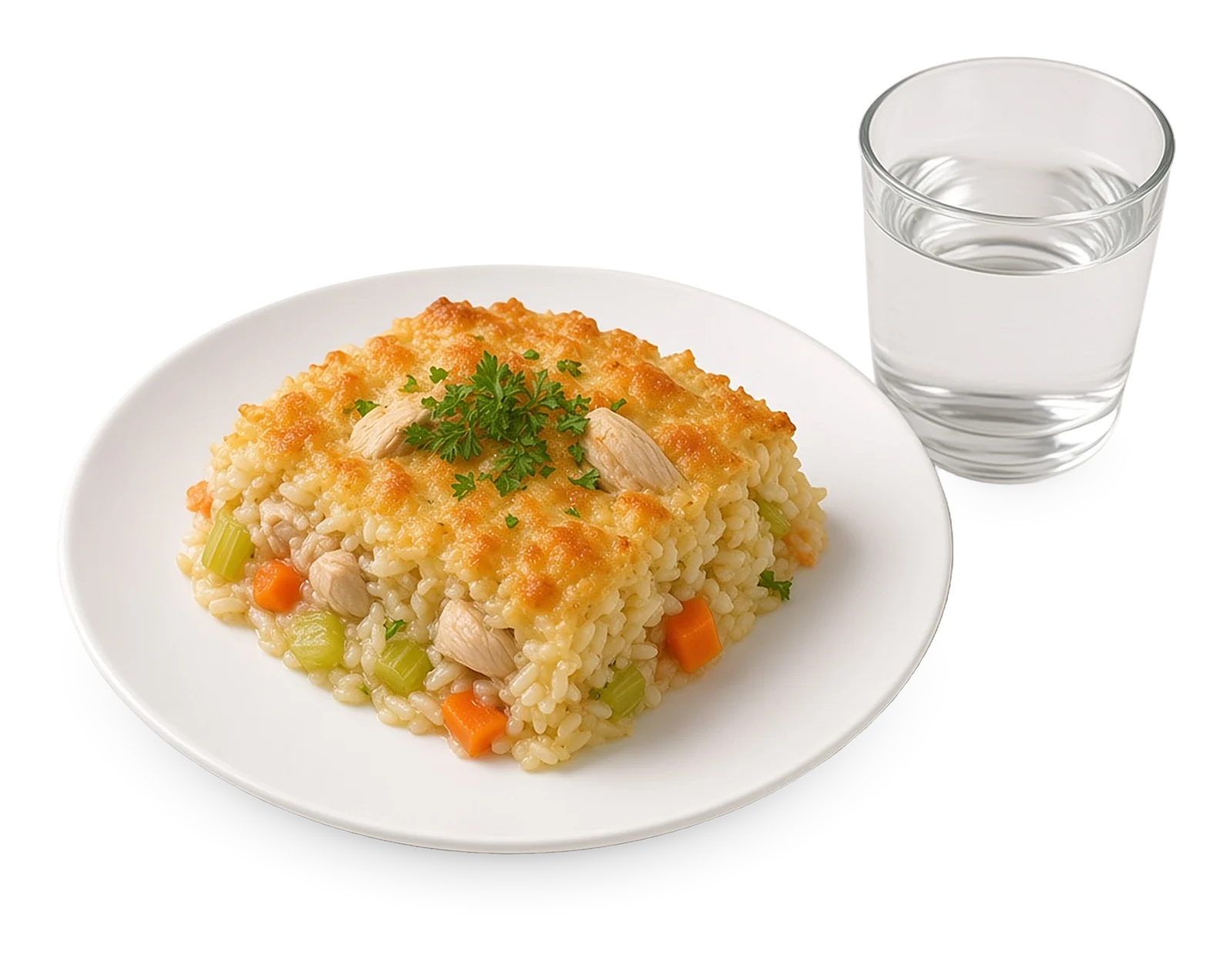
2
Casserole and a glass of water
Ate the usual
3
The same, as soup
Ate about a quarter less, and did not make it up at dinner
How sately does it
More than
553,000
foods, groceries and menu items, scored for fullness worldwide.
An idea like this only helps if it covers what you actually eat. Chapter 6 shows how to look yours up.
What you do with it
You don't have to count anything, and nothing is banned. Two foods, two numbers: pick the higher one.
The one thing to remember
Some foods keep you full for few calories. Choosing more of them is easier than eating less.
Sources (5)
- 1
Study without randomization— shows what happened, not why
29 US weight-loss programs followed for years: five years on, people who had dieted on an ordinary reduced-calorie plan still kept off about 2 kg — roughly a sixth of what they first lost. Mostly observational follow-up, not trials.
- 2
Meta-analysis of trials— strongest — many trials pooled
Pooling 38 feeding trials: the lower the share of protein in the food on offer, the more total energy people ate — whether carbohydrate or fat did the diluting. It supports the direction, not any exact threshold.
- 3
Meta-analysis of trials— strongest — many trials pooled
The honest read on fiber: thick, viscous fibers do something for appetite, most others do little on their own. Fiber earns its place mostly by adding bulk and water.
- 4
Meta-analysis of trials— strongest — many trials pooled
38 trials pooled: when meals carried fewer calories per gram, people ate about 223 kcal a day less — while eating the same weight of food. Mostly short, controlled studies, not long-term weight loss.
- 5
Small human experiment— suggestive — few people, short window
The same chicken-rice casserole, served three ways: as it is, with a glass of water, or with the water cooked in as soup. Only the soup cut lunch — by roughly a quarter — and nobody made it up at dinner. Water inside the food fills you; water beside it does not. A single-lunch lab study in lean women.
Up next · Chapter 2
What the 0–100 number means, what moves it, and what it is not.