Start here
How to feel full on fewer calories
Being hungry all afternoon is not a willpower problem. It is a property of what you ate — and three things decide it, none of which require counting anything.

Dr. Andreas Eenfeldt, MD · · 7 min read
It is four in the afternoon and you are hungry again. You ate lunch. It was a sensible lunch — you were careful with it, even. And here you are anyway, standing at the cupboard.
Nearly every diet treats that moment as a test of character you have just failed. It isn't. It is information about lunch.
Two meals can carry the same calories and leave you in completely different afternoons. One of them holds; the other is gone before three o'clock. That difference isn't your metabolism and it isn't your resolve. It comes from a few properties of the food itself — and once you can see them, you can stop trying to out-discipline your own appetite.
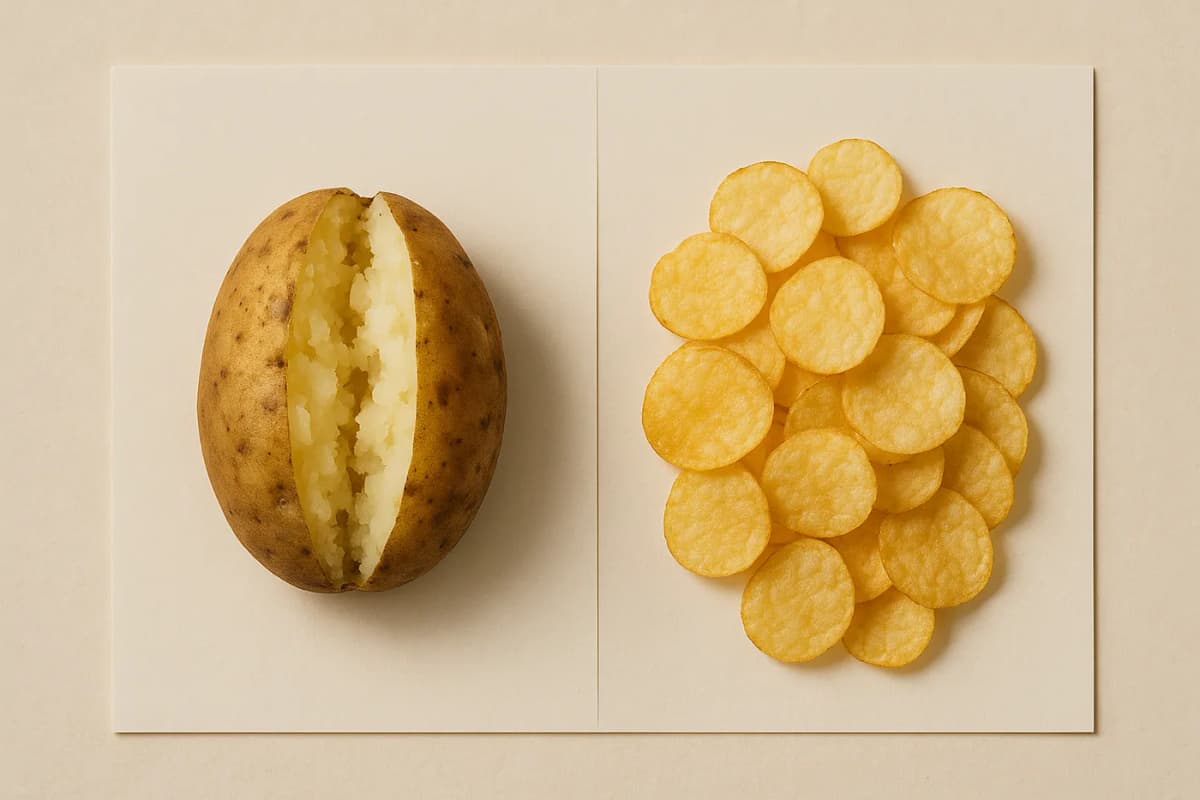
Here is how large the difference gets, using one vegetable. Bake a potato and it is among the most filling things you can eat for the calories it costs. Slice the same potato thin and fry it, and it becomes one of the least. Nothing was added but heat and oil.
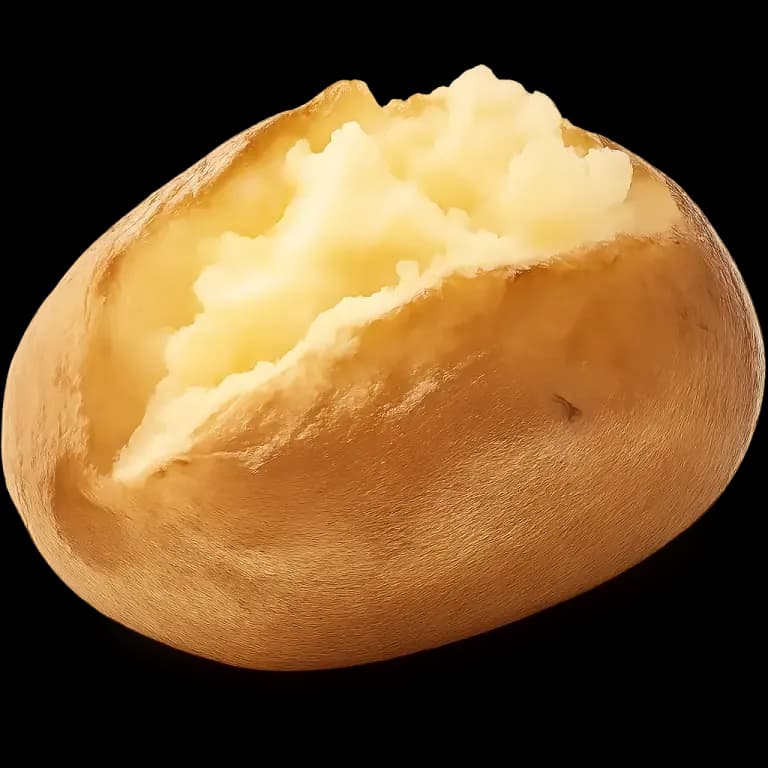

Those numbers are our satiety score — how full a food leaves you for the calories it carries, from 0 to 100. Here is the whole range, with four ordinary things standing on it.
No counting. No banned list. Nothing you love has to go.
The three things that fill you up
Three properties work for you, and they do not have to arrive together — a food only needs to be strong on one of them. Then there is a fourth thing, which works against you. One food each, to make them concrete:
 95WaterCucumber scores 95 on water alone. A plateful costs about what one biscuit does.
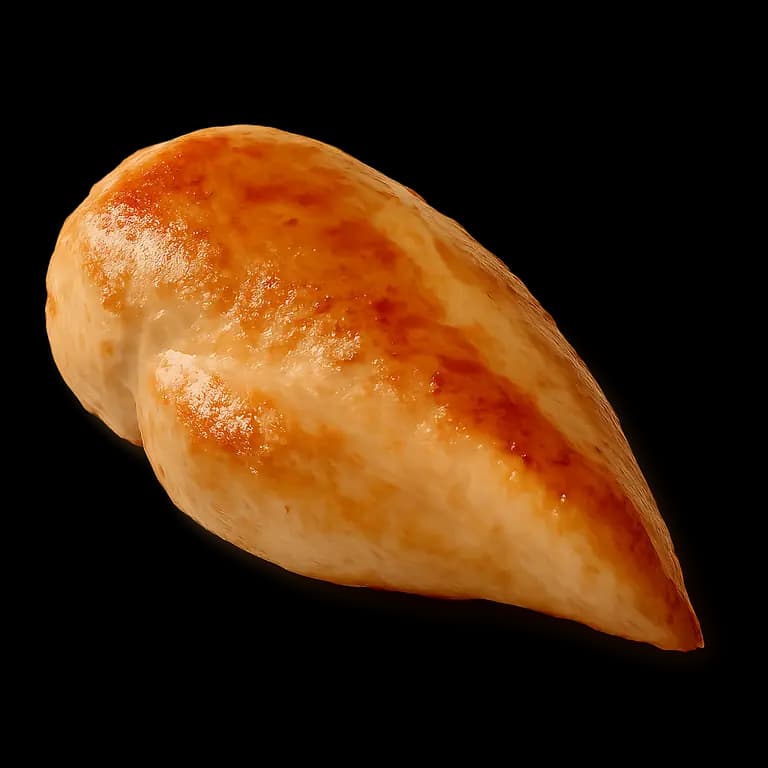 97ProteinChicken breast scores 97 with no fiber and almost no water left. Appetite hunts protein until it finds enough.
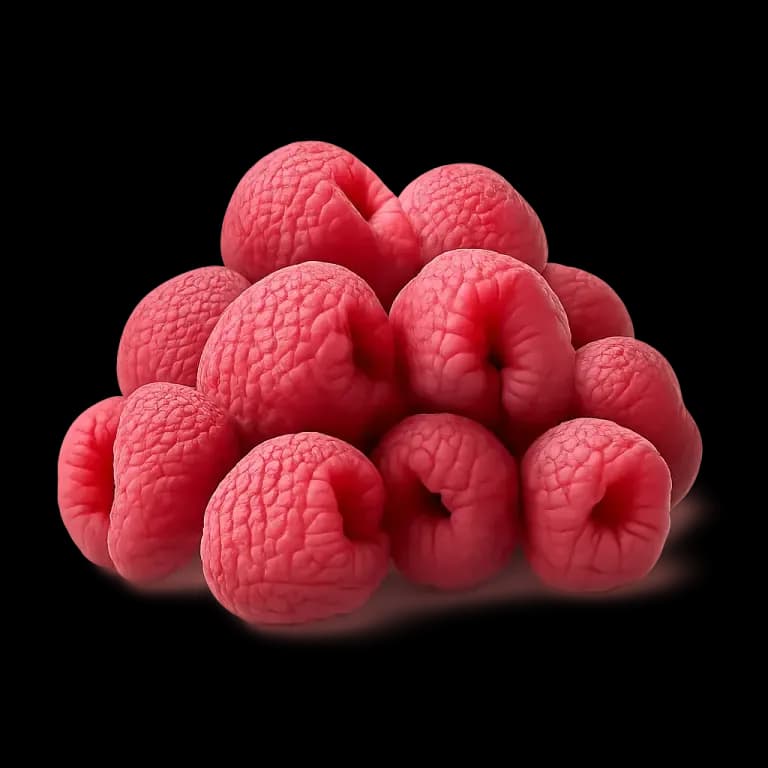 94FiberRaspberries score 94 with more fiber than any common fruit, and barely any protein. One route is enough.
 1The penaltyA donut scores 1. Sugar with a soft fatty crumb, in a form built so that stopping is hard.
How much water is in it. The least intuitive of the three. You eat roughly a fixed weight of food in a day, not a fixed number of calories — so the fewer calories packed into each gram, the more you can eat before you're full. Across 38 trials, diluting the calories per gram cut intake by more than 200 kcal a day — while people ate the same weight of food. Soup, fruit, vegetables, potatoes, beans and yogurt all win here. Oil, chips, chocolate and pastry all lose.
How much protein it carries. Your appetite chases protein: when a diet is diluted with everything else, people keep eating until they reach the protein they were after, and carry the extra calories along with it. When that dilution was staged deliberately — the same 28 foods, protein disguised at 10% or 15% of calories — people ate 12% more energy on the thinner one. Getting protein into a meal early is the single most reliable way to make it end sooner.
How much fiber it has. Fiber counts on its own terms, which is why raspberries sit beside chicken breast despite carrying almost no protein. The trial evidence is narrower than the marketing, though: thick, viscous fiber does something for appetite, and most other fiber does little by itself. Eat it inside food rather than out of a tub.
Those three do not add up, and this is the part worth keeping. The strongest one carries the food. Cucumber gets to the top on water with no protein at all; chicken breast on protein with no fiber at all; raspberries on fiber. You do not need a food that does all three. You need a plate that does not miss all three.
How engineered it is. The opposing force, and it arrives two ways. Sugar costs a food points — less so when it comes inside something that also carries protein or fiber, which is why fruit is not candy. And there is the savoury version: fat and starch together, sharpened by salt and sugar, in food dense enough for the combination to bite. A salty cucumber is not the problem and the formula knows it. Those pairings are rare in nature and common in a factory. When the same people ate matched menus that differed only in processing, the processed weeks added about 500 calories a day without anyone deciding to eat more.
Any one of the three can carry a food. The engineering is what takes it back.
What it looks like on a plate
There is no meal plan here, because you don't need one. Two habits carry almost all of the benefit.
Put protein first. Decide the protein before anything else and build the meal around it. Eggs, fish, chicken, dairy, beans, lentils — whichever of those you actually like.
Then make it big with water, not oil. Volume is free. Vegetables, fruit, potatoes, broth. The thing that quietly eats your calorie budget is what you cook it in.
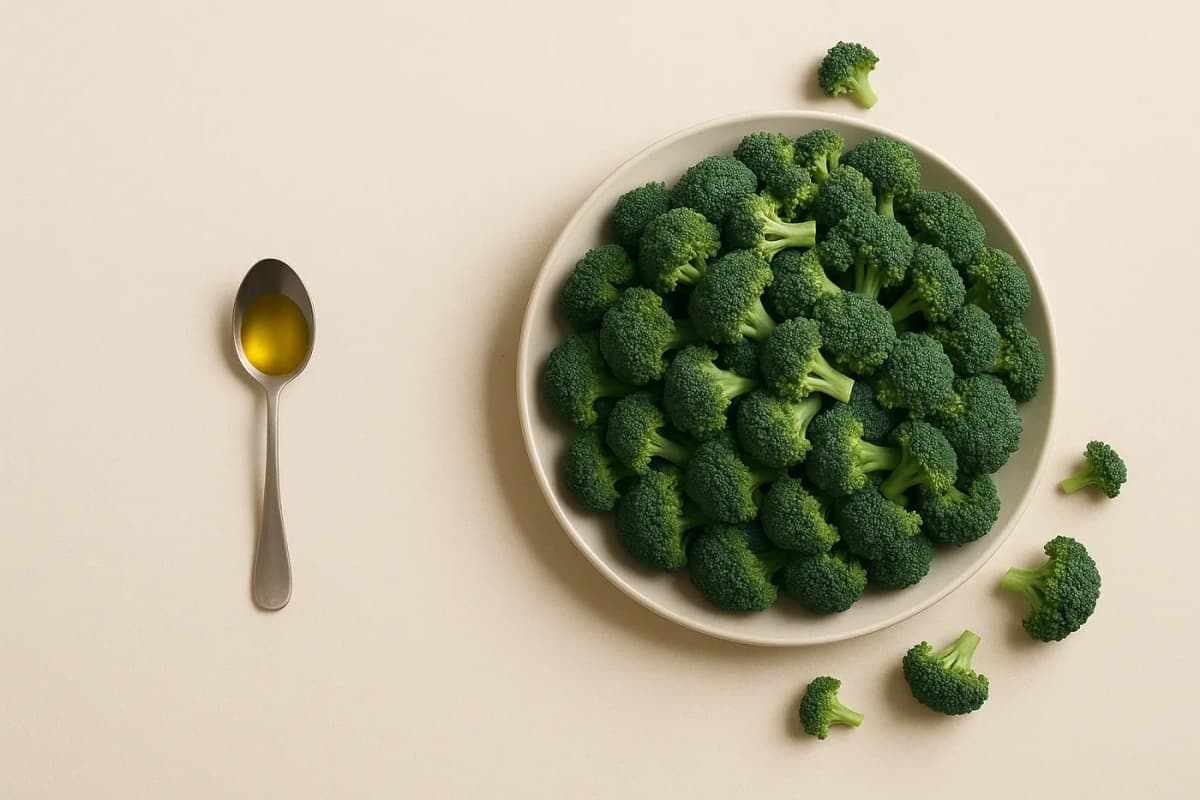
After that, the rest of the plate is yours. Bread, rice, pasta, dessert: they cost what they cost, and having built the first two thirds well, you can afford them.
The one habit worth building
Not restriction. Substitution. Find the handful of foods you eat most weeks, and see whether something that does the same job scores better.




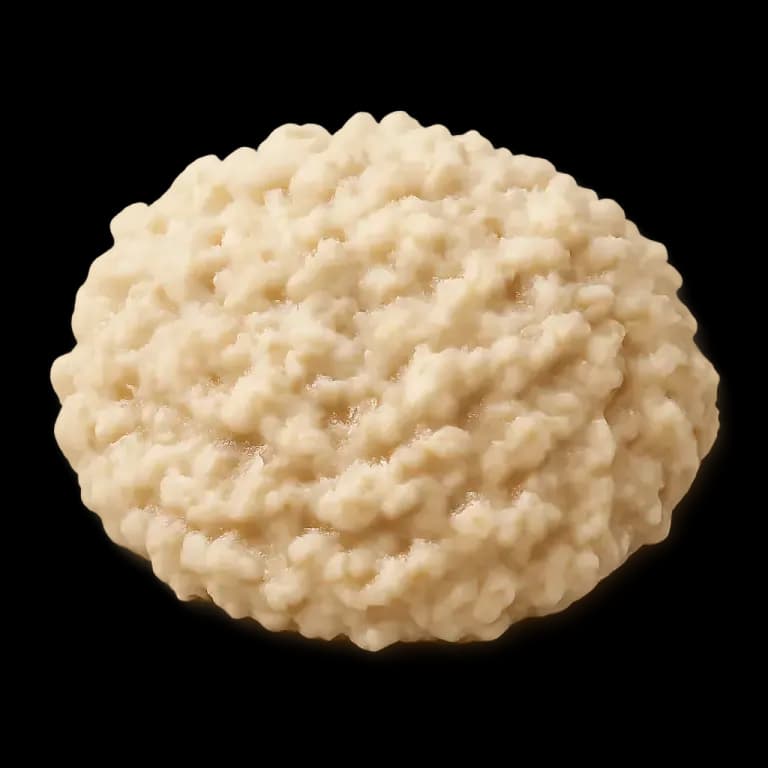
The rule that makes swaps stick is that they have to do the same job. Chips score 10 and cucumber scores 95, but nobody who wants chips in front of the television is satisfied by cucumber, and a swap you resent is a swap you make once. Same moment, same texture, same kind of pleasure — and never more effort than the thing it replaces.
Three ways to get this wrong
Start here
Look up three foods you ate yesterday. Not to feel bad about any of them — to see where they sit and to notice that the numbers are often not where you expected. Then pick the one swap that costs you the least, and let it become boring before you change anything else.
Do that with lunch first. Four o'clock is where you will notice it.
When you want the specifics — the best picks in every aisle, and the foods with a health halo that quietly cost the most — they are in the best high-satiety foods.