The guide
The best high-satiety foods
Eating less without being hungry is a property of the food, not a matter of willpower. Ten foods worth starting with, twelve that cost more than you'd think, and the best picks in every aisle.

Dr. Andreas Eenfeldt, MD · · 12 min read
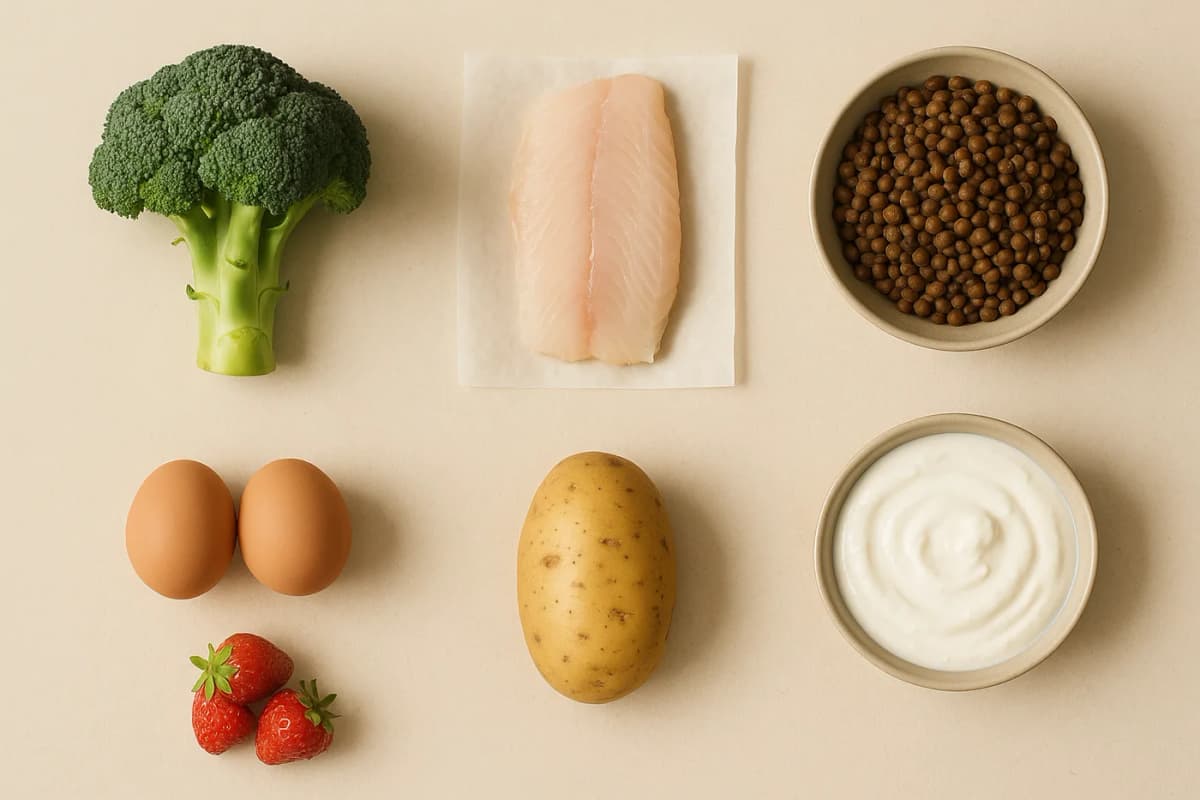
Some foods leave you full for hours on very few calories. Others are gone before you have finished eating them. That difference is the most useful thing you can know standing in a supermarket, it is far larger than most people expect, and using it does not require counting anything.
Most people arrive at a question like this for one reason: they want to lose weight, and they would rather not be hungry for a year doing it. That is what this is for. Nobody out-disciplines their own appetite for long, but you can change how much food you get for the calories you spend — and when trials have done that on purpose, people ate a few hundred calories a day less without being asked to, and lost more weight over a year while reporting less hunger, not more.
It is also not a property of food groups, which is why lists of “filling foods” so often disappoint. A potato scores 66. Sliced thin and fried, that same potato becomes chips at 10. Nothing was added but heat and oil.
 66PotatoBoiled, plain
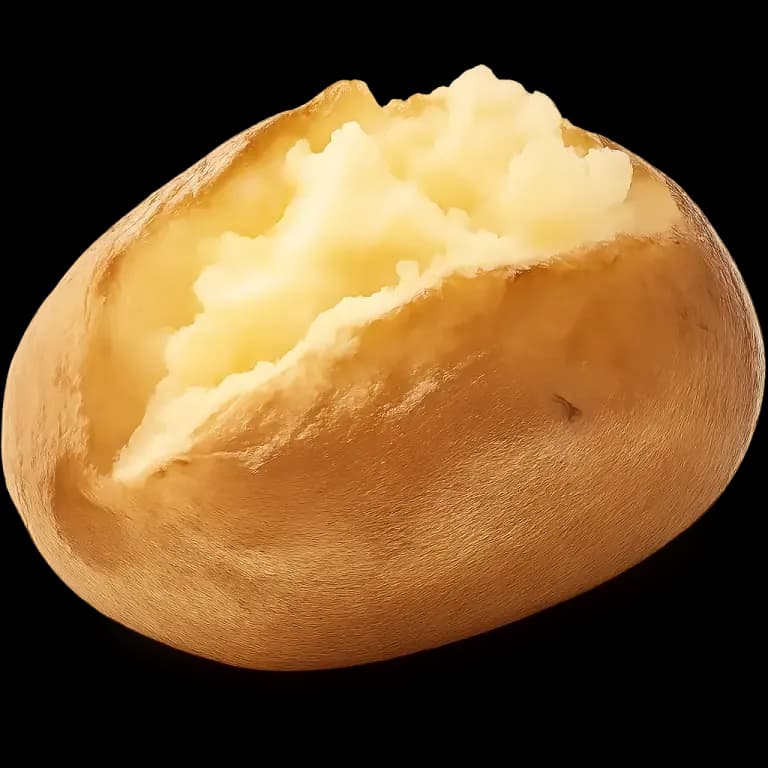 57Baked potatoIn its skin
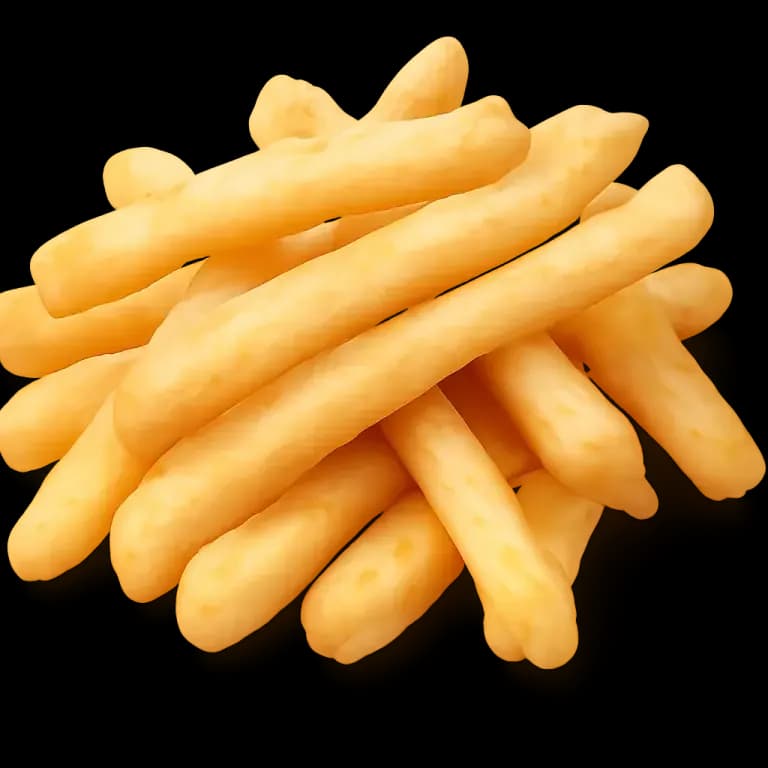 24French friesCut and fried
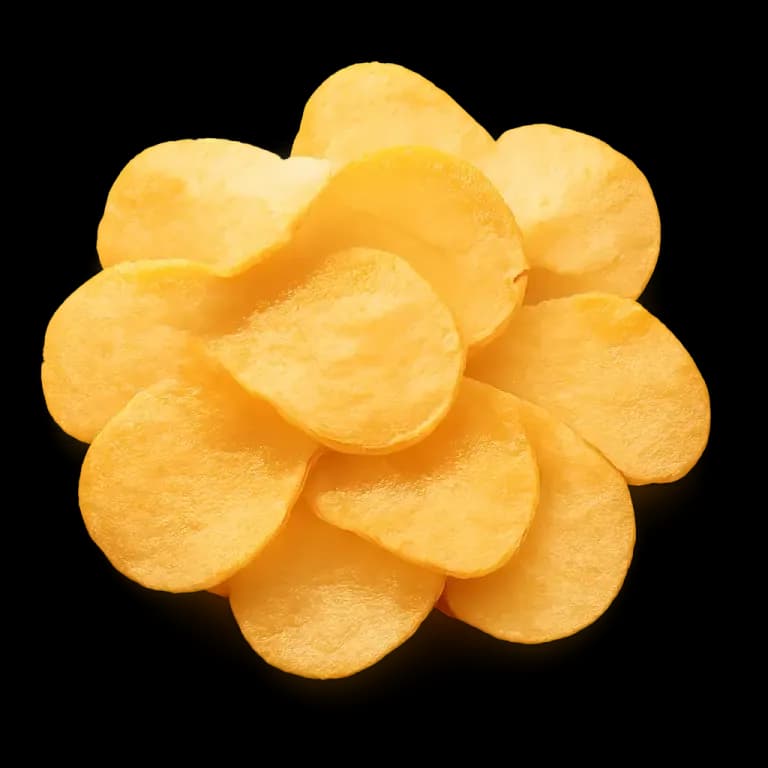 10Potato chipsSliced thin, fried
What the number means
Every food on this site carries one number from 0 to 100: how full it leaves you for the calories it costs. That is the only thing it measures. It is not a health score, and it is not a verdict.
Ten foods to start with
Not the ten highest numbers in our database — those are mostly near-duplicates of each other, and half of them are asparagus. These are ten ordinary things that carry the idea, cover the week, and are in every supermarket.
 100Atlantic codThe leanest protein on the counter
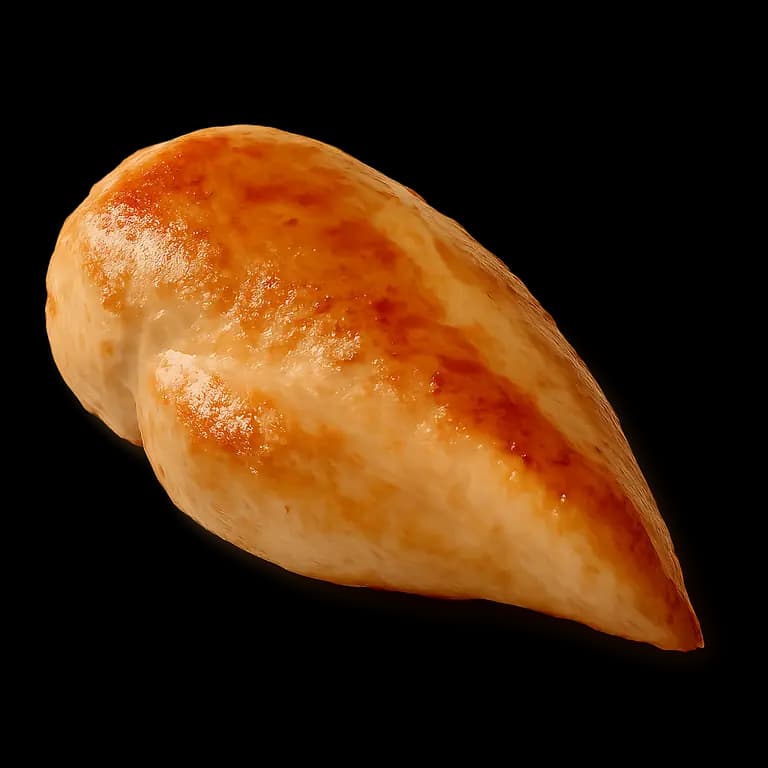 97Chicken breastThe default for a reason
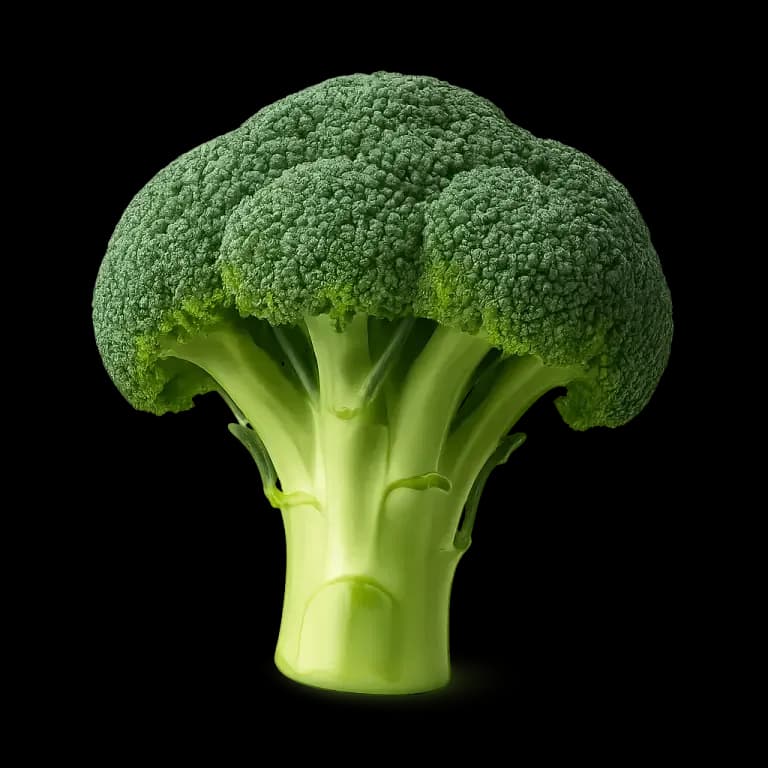 94BroccoliAny non-starchy vegetable does this job
 91Nonfat Greek yogurtTwice the protein of ordinary yogurt
 91Cottage cheese (1%)The one cheese that scores like a protein
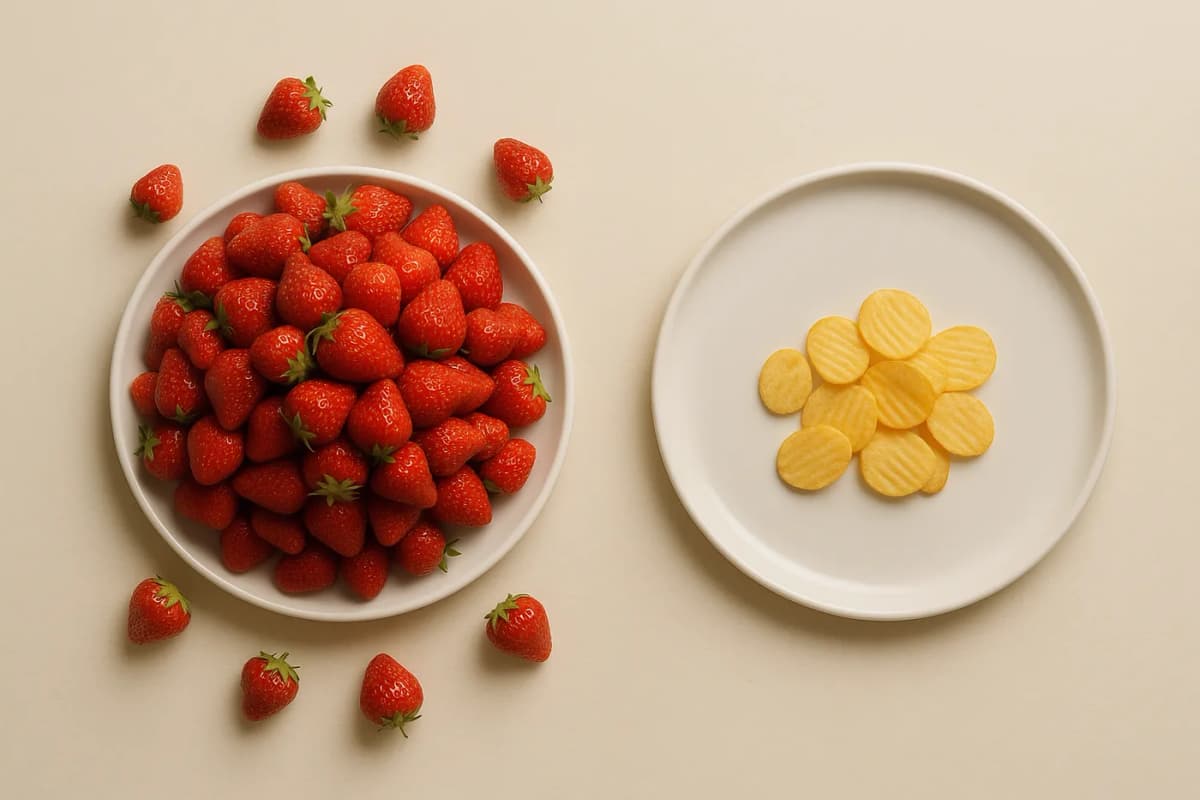
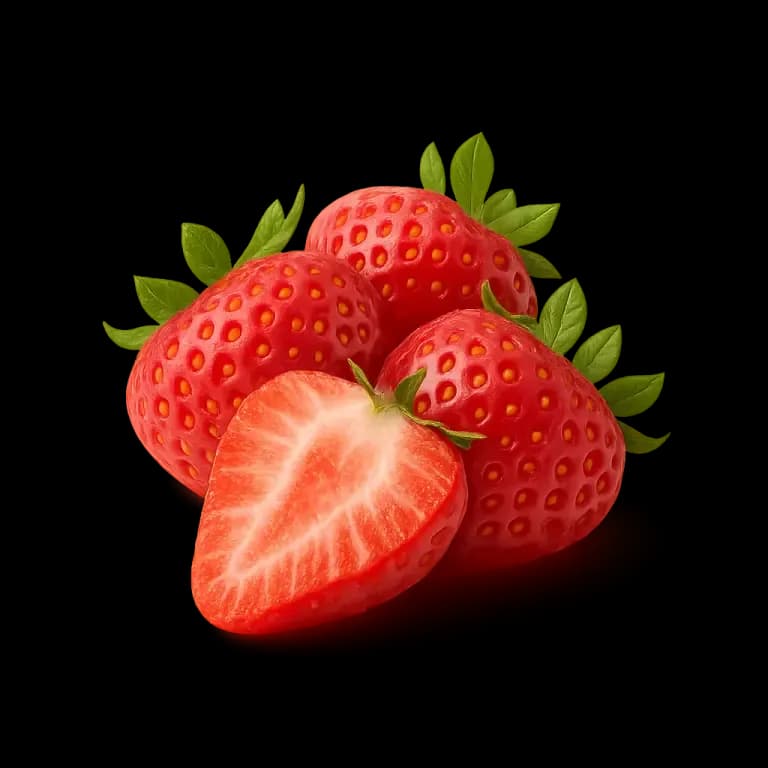 85StrawberriesSweet, and mostly water
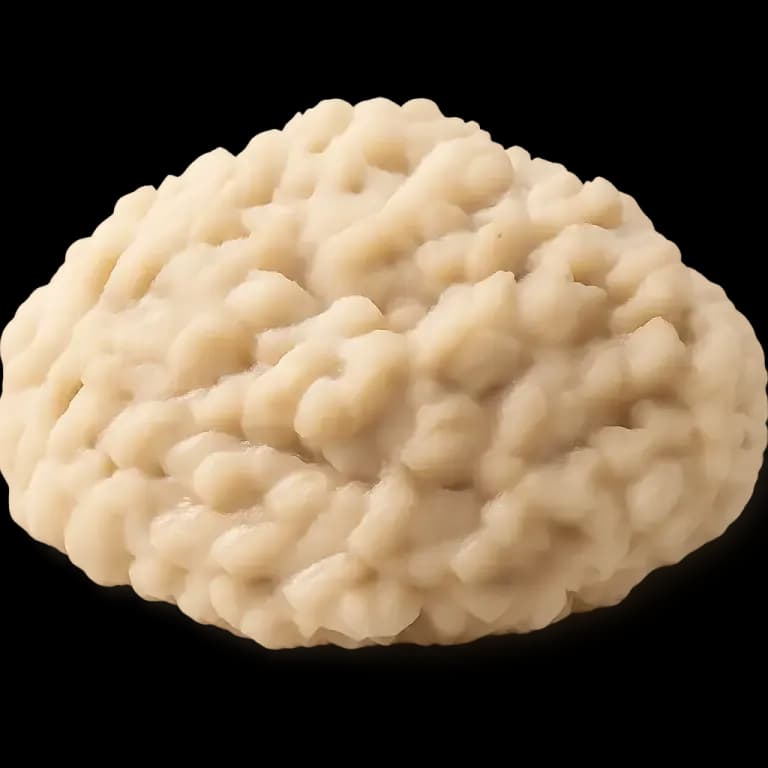 75OatmealCooked, not dry — the water is the point
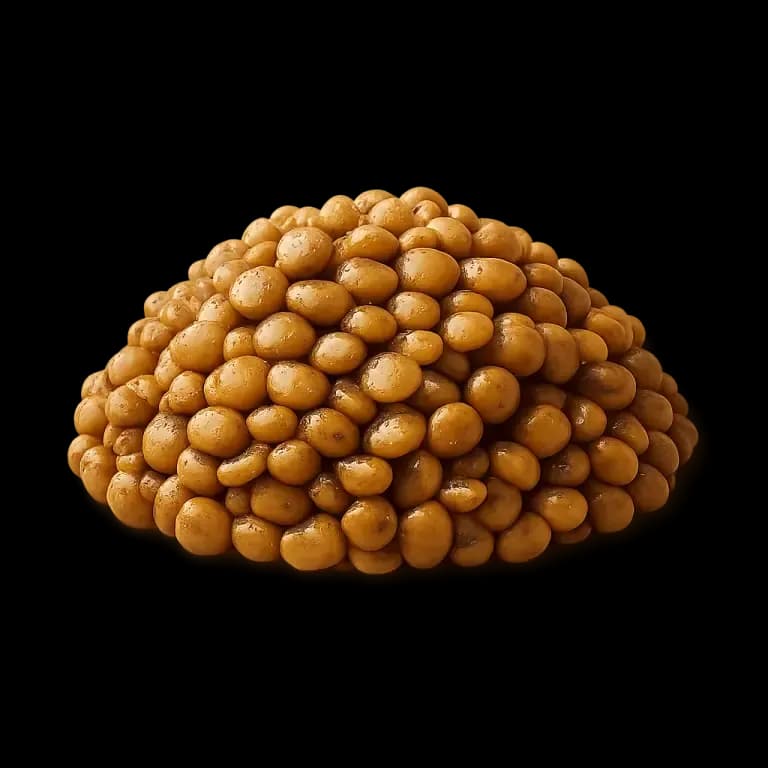 73Cooked lentilsProtein and bulk, for very little money
- 66PotatoCheap, filling, and unfairly maligned
 53EggCheap, fast, hard to get wrong
And twelve that cost more than you'd think
The other half of the practical answer. None of these is a bad food and none of them is banned here. Some are excellent by any other measure, and several of them are in my own kitchen every week. What they have in common is that their reputation and their score disagree, and the gap is usually oil, drying, or blending.
 38Protein barThe word on the wrapper is not the food
 35AvocadoEnergy-dense by design, not a flaw
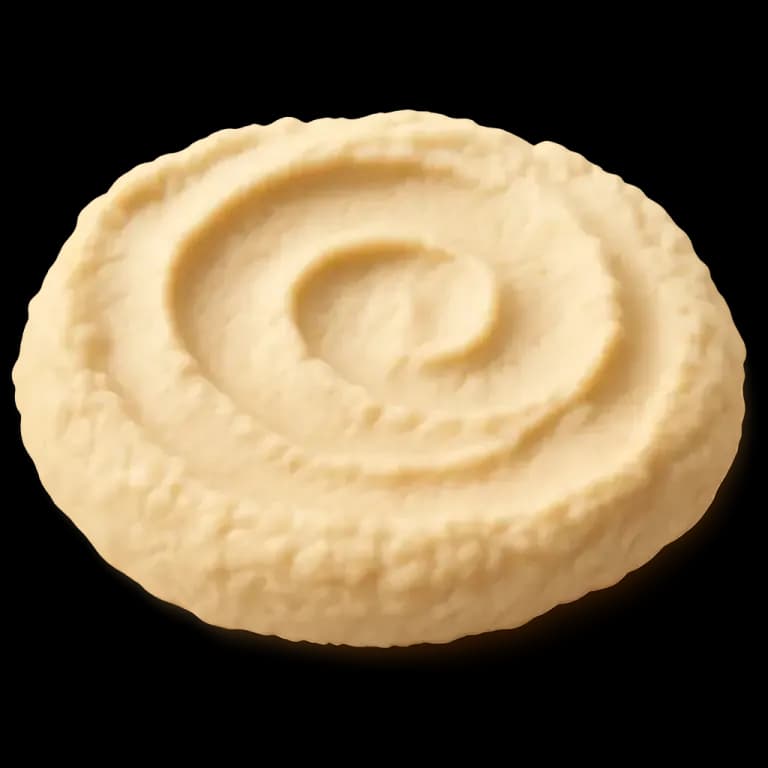 32Plain hummusChickpeas at 56, blended with oil
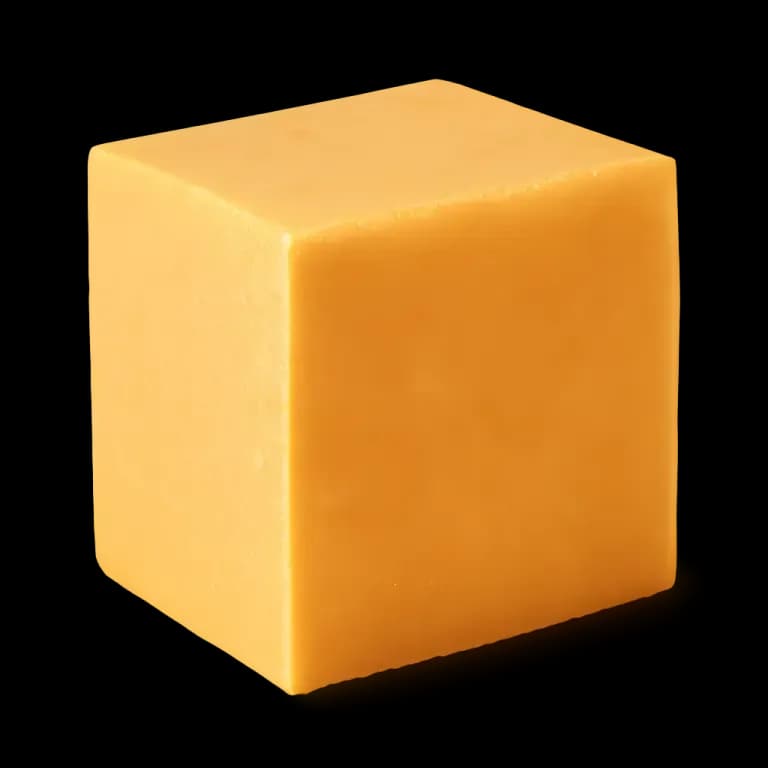 28Cheddar cheeseA flavoring that happens to be protein
 24AlmondsExcellent food, expensive by the handful
 21Peanut butterGround, so the whole-nut discount is gone
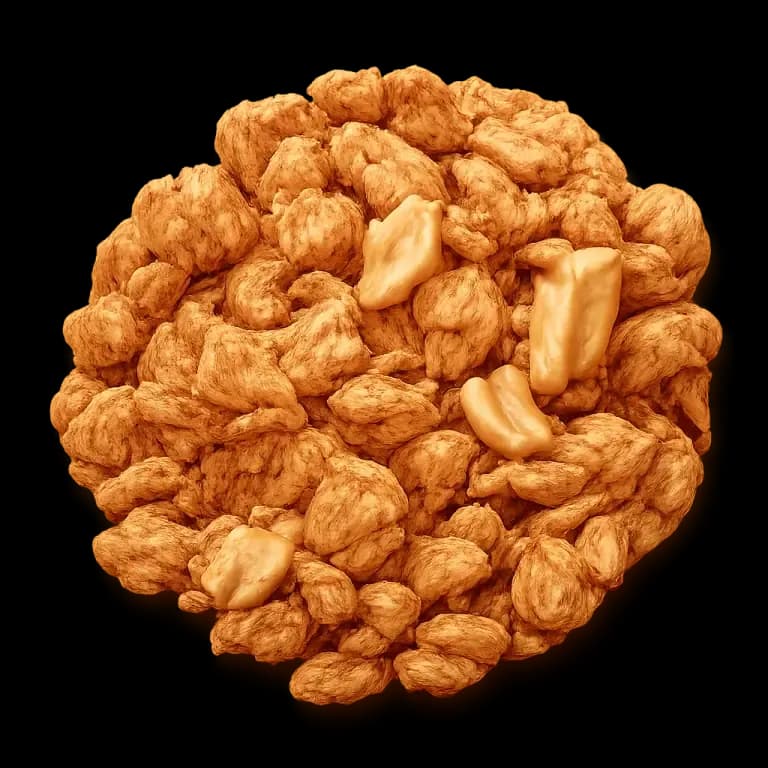 19Granola489 kcal per 100 g — the portion runs away
 18Olive oilStill olive oil. Still worth using
 16Apple juiceAn apple at 57, minus the chewing
 14Dark chocolateThe cocoa does not change the arithmetic
 10Trail mixHiking food, eaten at a desk
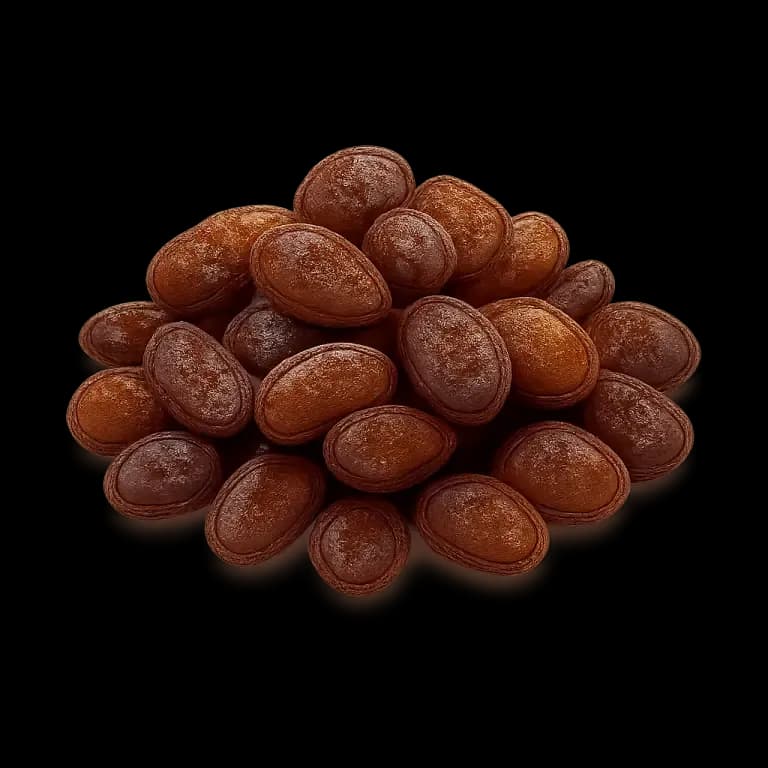 8RaisinsGrapes at 25, with the water removed
The rule, in one sentence
A food fills you up for its calories when it carries protein and water, and not much else. That is nearly the whole thing. Protein is the nutrient appetite actively chases — dilute it and people keep eating until they reach the protein they were after. Water is what lets you eat a satisfying weight of food for few calories.Fiber is the third way in. The score treats those three as alternatives rather than as a sum: a food strong on one of them scores well even when it is empty on the other two, which is how cucumber and cod end up in the same place by opposite means. Fiber's own trial record is thinner than its billing — pooled across 62 trials, viscous fiber on its own moved body weight by about a third of a kilo — so take the route seriously and the supplement aisle less so.
If you want the mechanism properly, it is in how to feel full on fewer calories. Here I want to get to the shelf.
The best picks, aisle by aisle
Every list below runs from most filling downwards, and each of these categories will get its own page in time.
Vegetables
This is the easy category, and the one where the score is least interesting, because nearly all of them win. Non-starchy vegetables are 90-odd percent water by weight — there is almost no room left for calories. If you are trying to make a meal bigger without making it cost more, this is the aisle.
It also happens to be the one strategy with a year of data behind it. In a year-long trial, women given no calorie target at all — simply told to add water-rich foods, mainly fruit and vegetables — lost more weight than women told to cut fat, and reported less hunger while doing it. Addition, not subtraction.
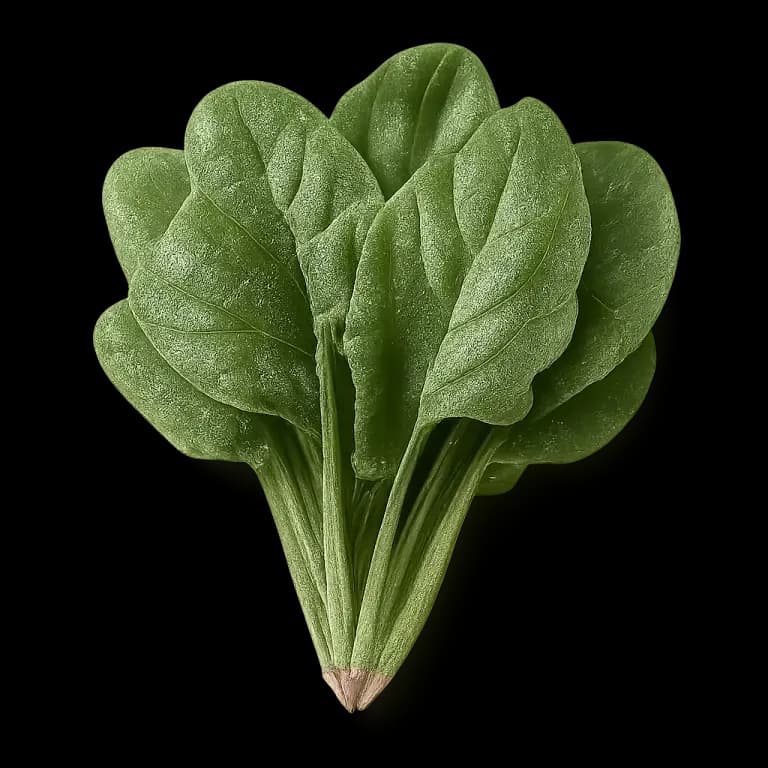 100SpinachA whole bag cooks down to one portion
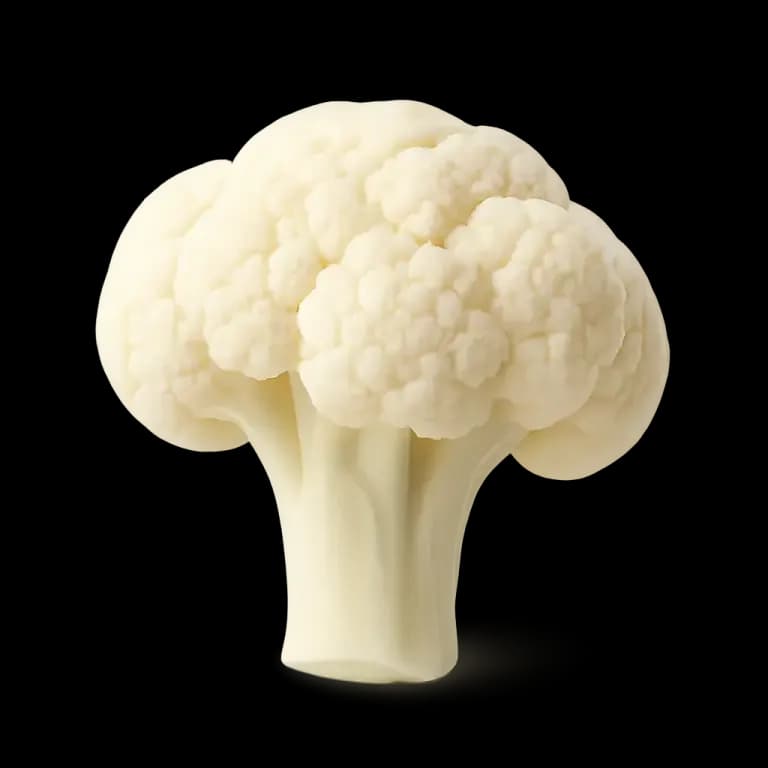 99CauliflowerRoasts, mashes, stands in for rice
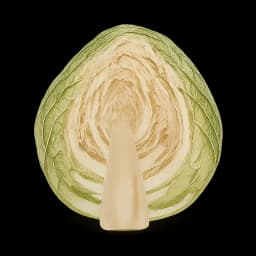
 98CabbageKeeps for weeks, costs almost nothing
 98MushroomsMeaty texture, almost no calories
- 94BroccoliThe everyday benchmark
 79Green peasThe vegetable that also brings protein
The vegetable is almost never the problem — the fat you cook it in is. Spinach scores 100. Sautéed in oil it is 77. Creamed, it is 58. A tablespoon of oil carries more calories than the entire pan of greens underneath it. Use it if it is what gets the vegetables eaten — just know what it costs.


Fruit
Fruit scores well, but lower than vegetables, and people find that surprising. It is sugar and water arithmetic: fruit carries two to four times the calories per gram that a vegetable does, and the sugar costs it again. Berries sit at the top — wet, and with enough fiber to blunt the sugar. Melon is wetter still and scores lower, because almost nothing in it offsets the sweetness. Bananas are the lowest common fruit, being the driest.
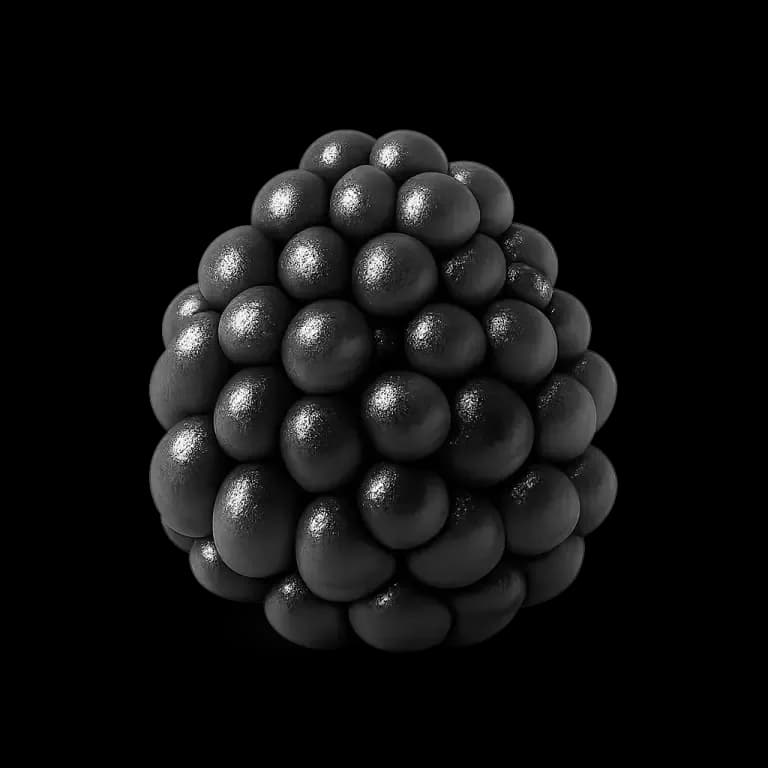 95BlackberriesFiber, water, and hardly any sugar
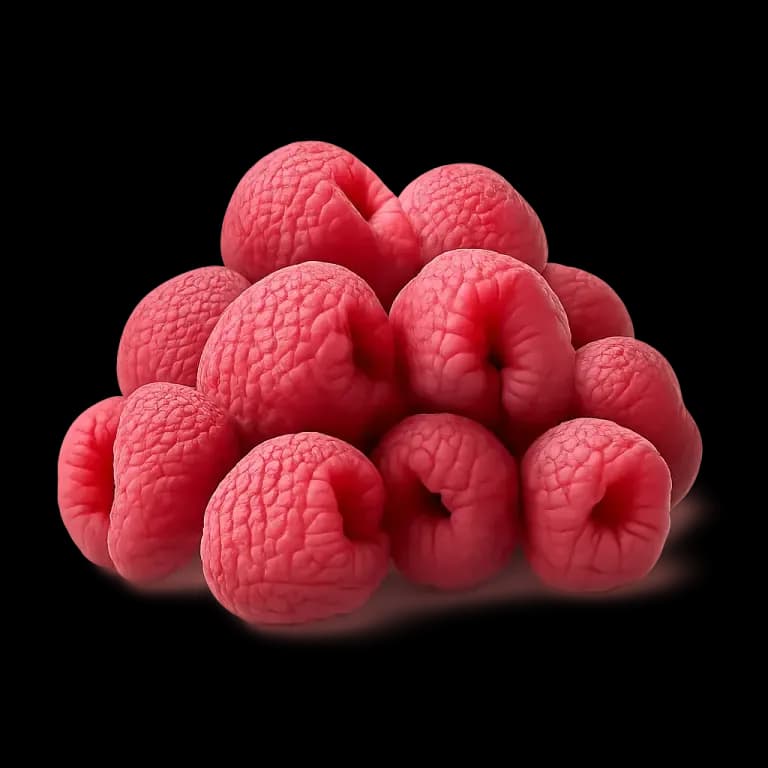 94RaspberriesMore fiber than any common fruit
- 85StrawberriesA whole punnet is about 100 kcal
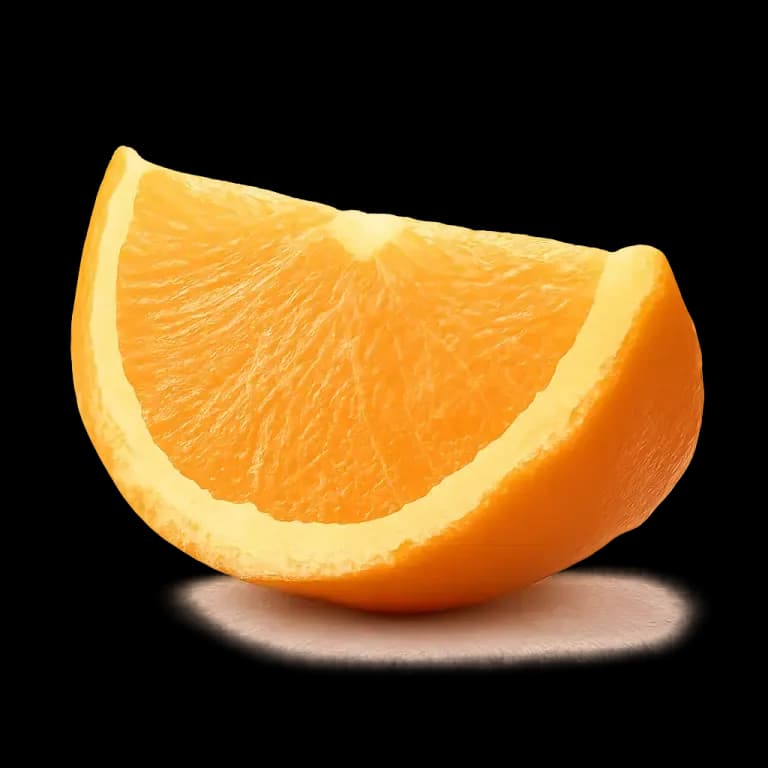 72OrangePeeling it is part of why it works
 70KiwiSmall, but it holds up
 59CantaloupeSweet and wet, and the sugar still shows
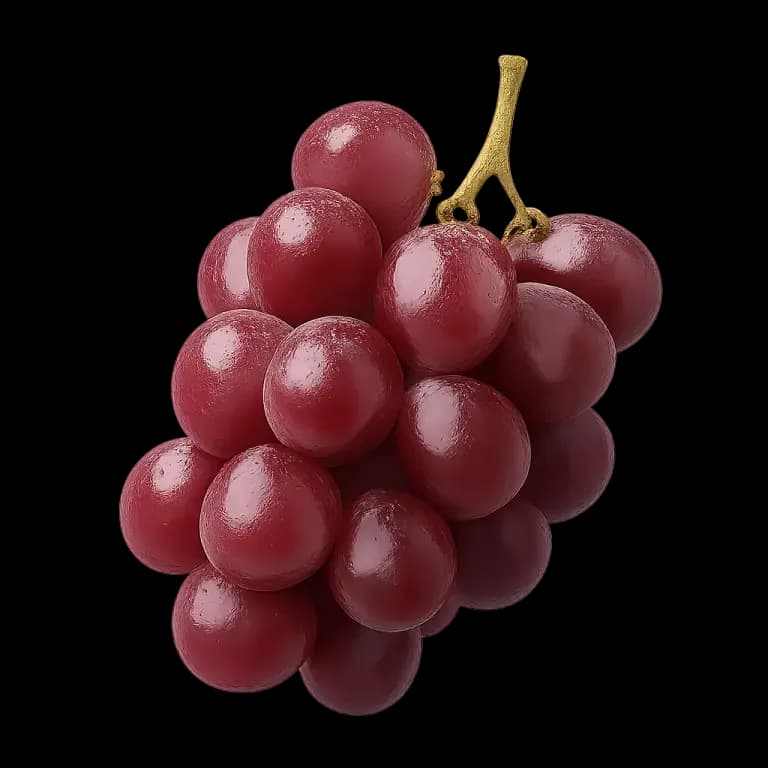
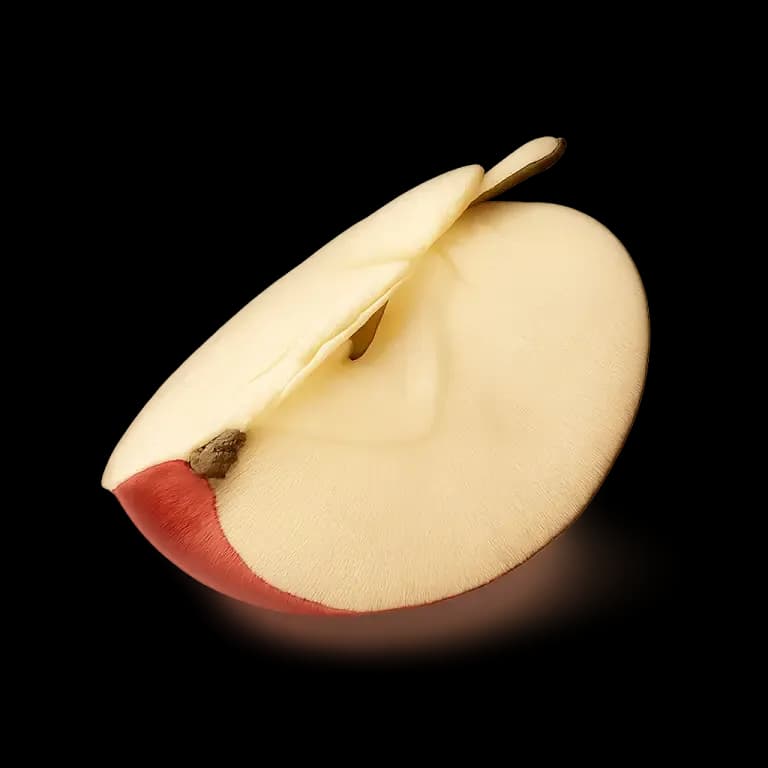
Two things happen to fruit that change it completely. Drying it removes the water and leaves the sugar: grapes score 25, raisins 8. Same fruit. Juicing it does the same thing and removes the chewing too: an apple is 57, apple juice 16. We compensate poorly for calories we drink: in a crossover study that served people the same foods in solid and liquid form, the drinkable version pushed total intake for the day up by 12 to 19 percent.

Meat and poultry
Meat is the most protein-dense food most people eat, so the only question in this aisle is how much fat is riding along. That is not a moral question and it is not about which animal. It is printed on the pack, and it moves the score by thirty points.
 99Smoked turkey breastThe best thing in the deli case
- 97Chicken breastSkinless, and it sits near the top
 95Pork tenderloinAs lean as chicken, cheaper
 94Rotisserie chickenBought cooked, still scores well
 88Top sirloin steakSteak is not the problem
 8495% lean ground beefThe number on the pack is what moves it
You can watch the fat do it: 90% lean mince scores 68, 80% lean scores 53. Further down, processing takes over from trim: bacon is 37, a hot dog 23, and breaded chicken 28 — all three started as lean meat, and all three land a long way below the cut they came from.
Fish and seafood
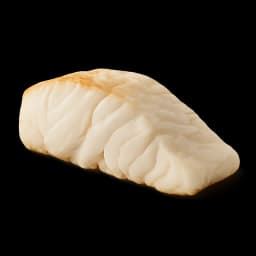
White fish and shellfish are the highest-scoring protein foods there are, full stop. Cod is roughly 80% water and almost all of the rest is protein, which is as close to the ideal shape of a filling food as anything gets.
- 100Atlantic codProtein and water, nothing else
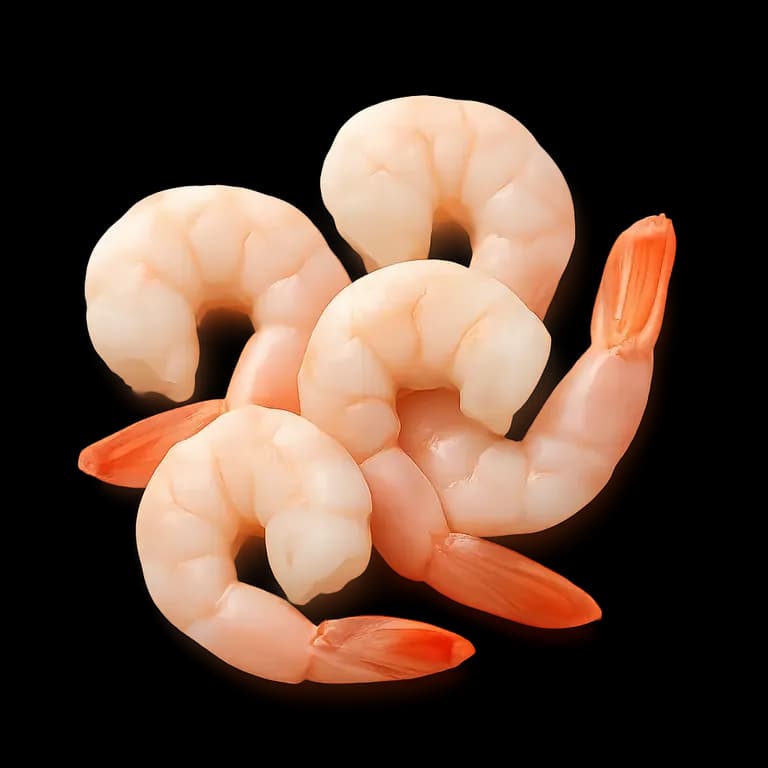 100ShrimpFrozen works exactly as well
 100HaddockAny white fish behaves like this
 100Canned tunaIn water. The oil version is a different food
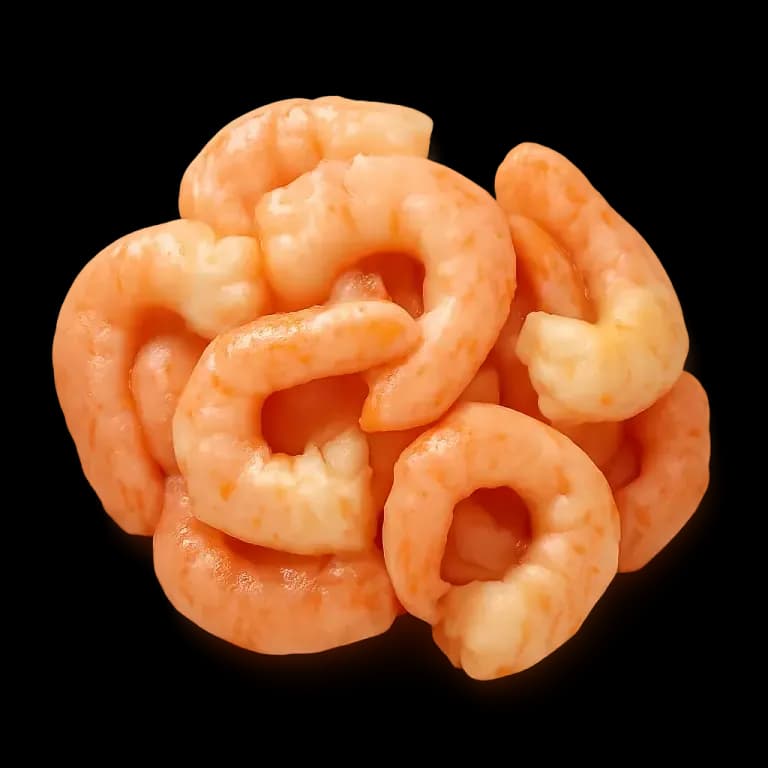 99Canned shrimpPantry protein, no cooking
 88Sockeye salmonOily fish, and still up here
Oily fish scores lower — farmed Atlantic salmon is 61 against wild sockeye at 88 — and that is a case where the score is measuring one thing and you may reasonably care about another. Salmon's fat is the reason to eat it. The score does not know that, and does not claim to. What does genuinely undo fish is the fryer: fried shrimp is 36.

Eggs
An egg is a strange, useful object: cheap, fast, portable, and carrying about 6 grams of high-quality protein for 70-odd calories. The famous trial here deserves its footnote read properly. Swapping a bagel breakfast for a calorie-matched egg breakfast helped people lose about a kilo more over eight weeks — but only among those who were also cutting calories. In people who changed nothing else, the same swap did nothing at all. Eggs are a good breakfast. They are not a mechanism that operates on its own.
 97Egg whiteProtein with the calories removed
 63Egg-white omelet with vegetablesIf you want a bigger breakfast
- 53EggThe whole egg, and it is plenty
 52Liquid whole eggThe carton, for weekday speed
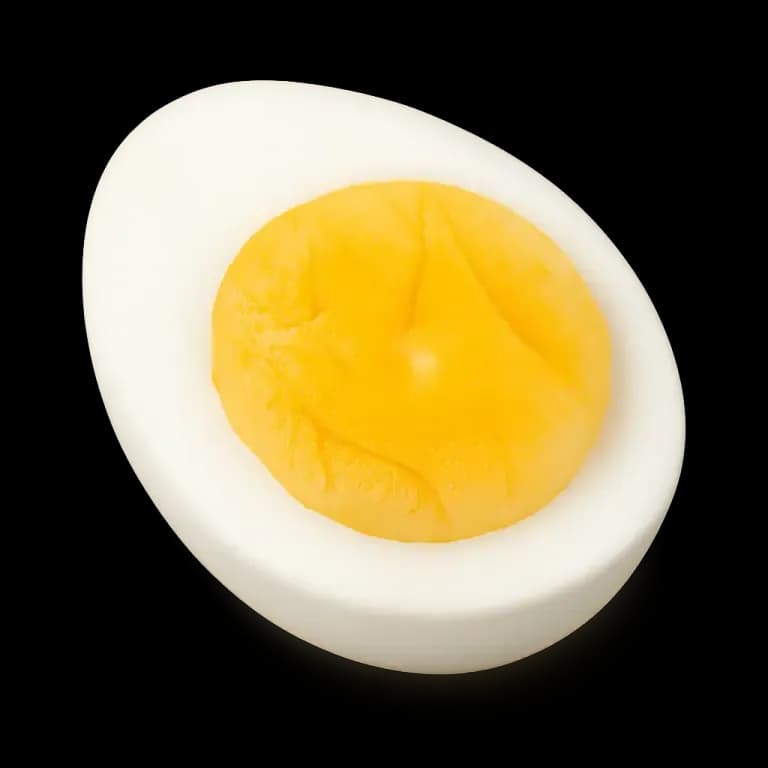 51Hard-boiled eggCook six on Sunday
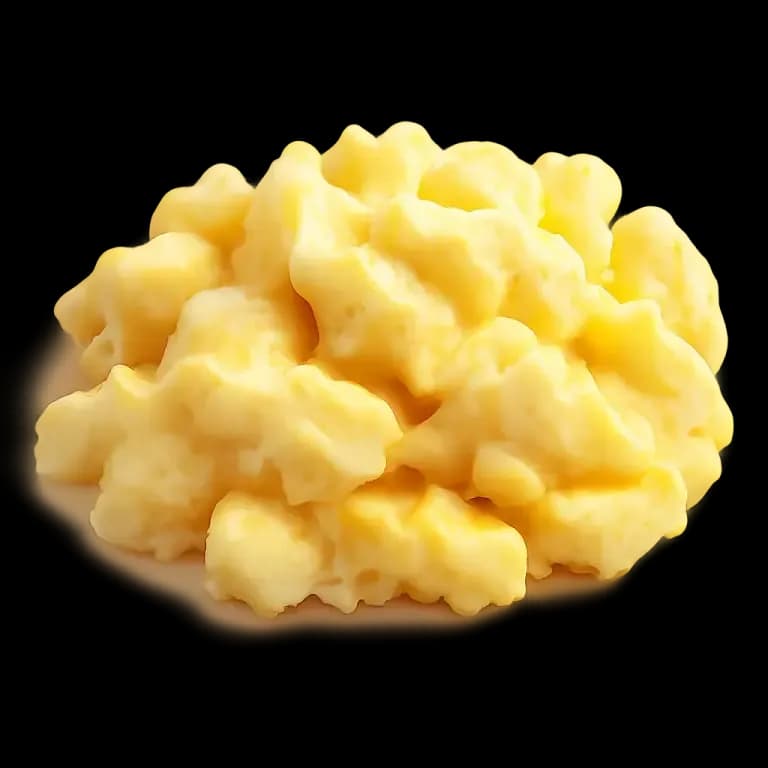 46Scrambled eggsMilk and a low pan, no more
As with vegetables, the egg is not what moves the number — the pan is. A boiled egg is 53; the same egg fried in oil is 39; eggs Benedict is 29, which is a sauce made of butter wearing an egg as a hat.

Yogurt, quark and cottage cheese
This is the aisle with the widest spread in the whole shop, and the one where a small habit change buys the most. Strained dairy — Greek yogurt, skyr, quark, cottage cheese — has had the watery whey removed, which roughly doubles the protein per calorie. Ordinary yogurt is fine. Strained yogurt is a different instrument.
- 91Nonfat Greek yogurtStrained, so the protein doubles
- 91Cottage cheese (1%)12 g protein per 72 kcal
 89Skim milkThe one drink that behaves like food
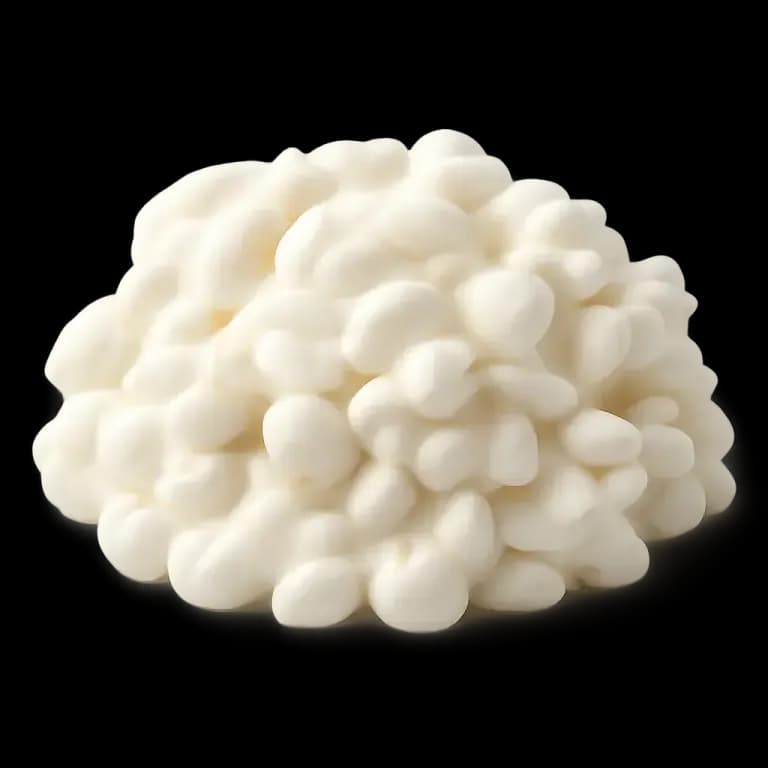 78Cottage cheese (2%)Creamier, and it costs about twelve points
 69Strawberry Greek yogurtFlavored, and the sugar shows
 64Whole-milk Greek yogurtThe fat costs less than you'd think
Then the same aisle contains cheddar at 28 and cream cheese at 22. Hard cheese is protein-rich and calorie-dense at the same time, and the calories win. It is a flavoring that happens to be a protein, not a protein that happens to have flavor. Also worth knowing: fruit-on-the-bottom Greek yogurt drops to 50 from 91 for plain, and a nonfat flavored one lands at 69. The sugar costs something in both; the fat costs more. Read the pot rather than the rule.

Beans, lentils and tofu
The best value in the shop, by a distance. Legumes carry protein and fiber and a great deal of water once cooked, and they cost almost nothing. Tofu is the same trick in a firmer package. If you are eating less meat, this is the category that decides whether that goes well or badly.
 76Refried beansBetter than its reputation
- 73Cooked lentilsTwenty minutes, no soaking
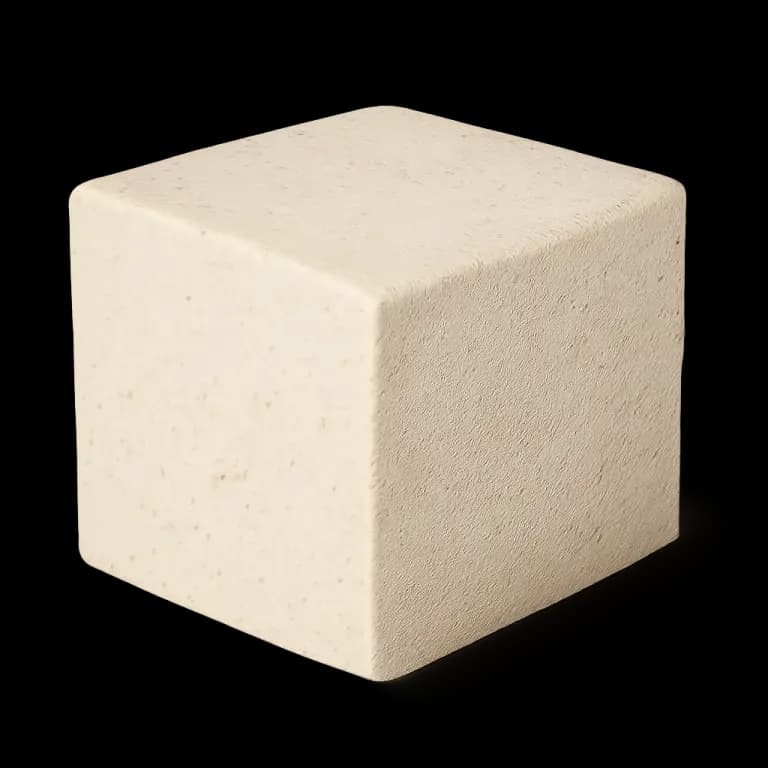 72Firm tofuProtein and water in a firm block
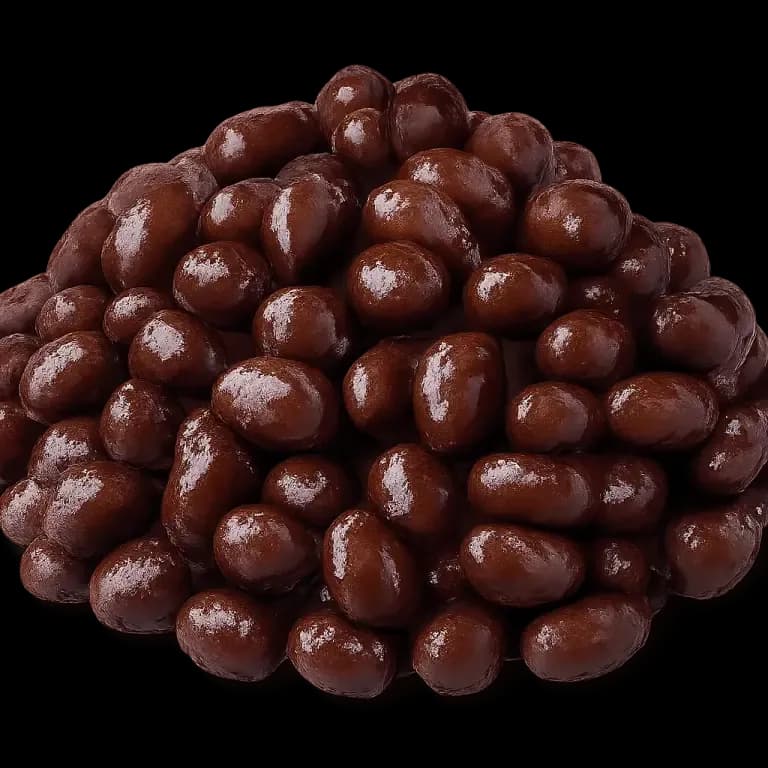 67Black beansCanned and rinsed is fine
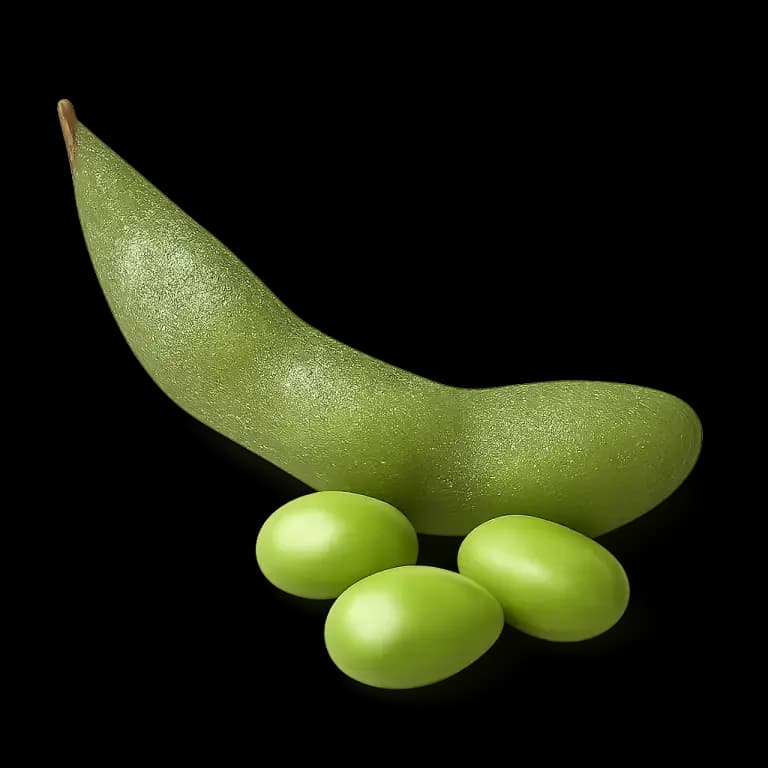 66EdamameA snack that acts like a protein
 56ChickpeasWhole, not blended
Blend those same chickpeas with oil and tahini and you get hummus at 32, down from 56. Nothing was taken away; oil was added, and the number nearly halves. Hummus is not bad food. It is a fat delivery system with an excellent PR department.

Potatoes and roots
The potato has spent forty years being treated as something to avoid, and it is one of the most filling foods there is. In the classic satiety experiment, boiled potatoes came out on top of every food tested, by a distance. That study is older and thinner than its fame suggests — see the caveats at the bottom — but the mechanism is not mysterious. A potato is water and starch with some protein, and very little fat.
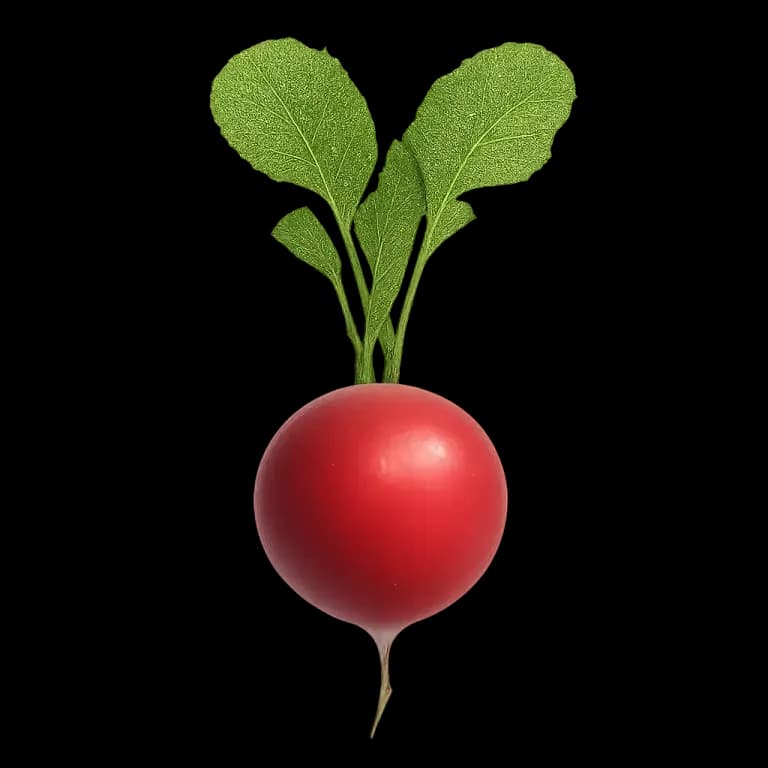 100RadishCrunch for almost nothing
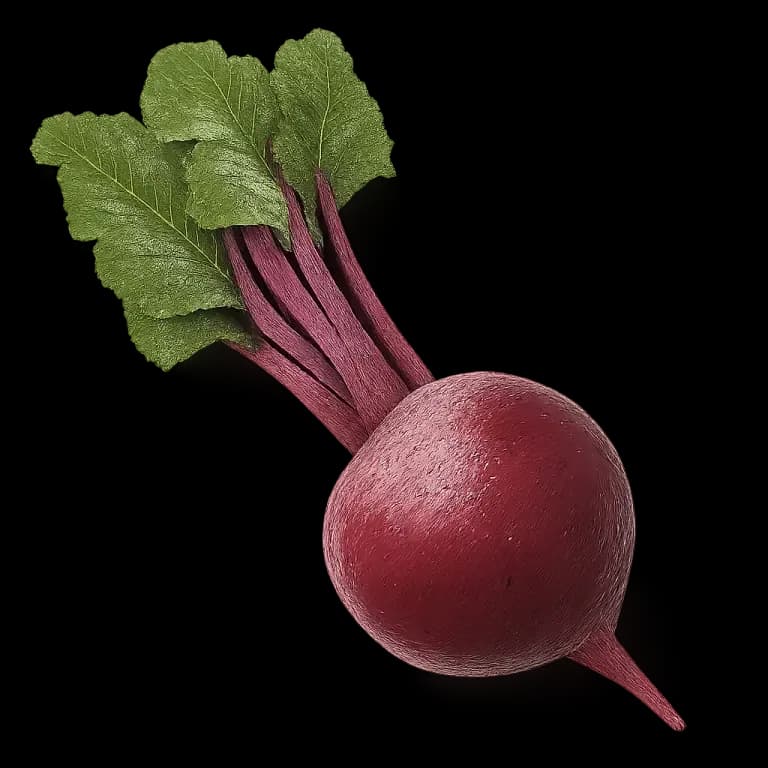 90BeetsSweet, and still up here
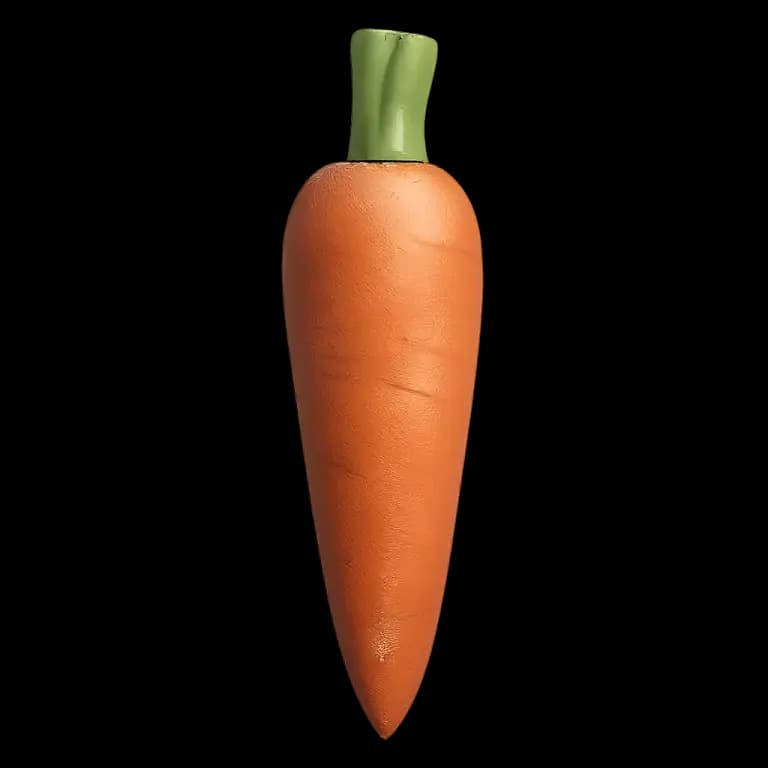 87CarrotThe portable vegetable
- 66PotatoBoiled or baked, it holds
 64Sweet potatoesNo better than a plain potato
- 57Baked potatoDinner, if you let it be
What happens to potatoes in a fryer is the single clearest demonstration on this site: fries are 24, chips are 10. Also: sweet potatoes are not an upgrade on potatoes. They are about the same. The swap is a marketing artifact.

Grains, pasta and bread
The category people expect us to attack, and we are not going to. Cooked grains do fine — they are mostly water by the time you eat them. What scores badly is grain with the water taken out and fat put in: that is what bread is, and it is certainly what biscuits and breakfast cereal are.
- 75OatmealCooked with water, the way most people eat it
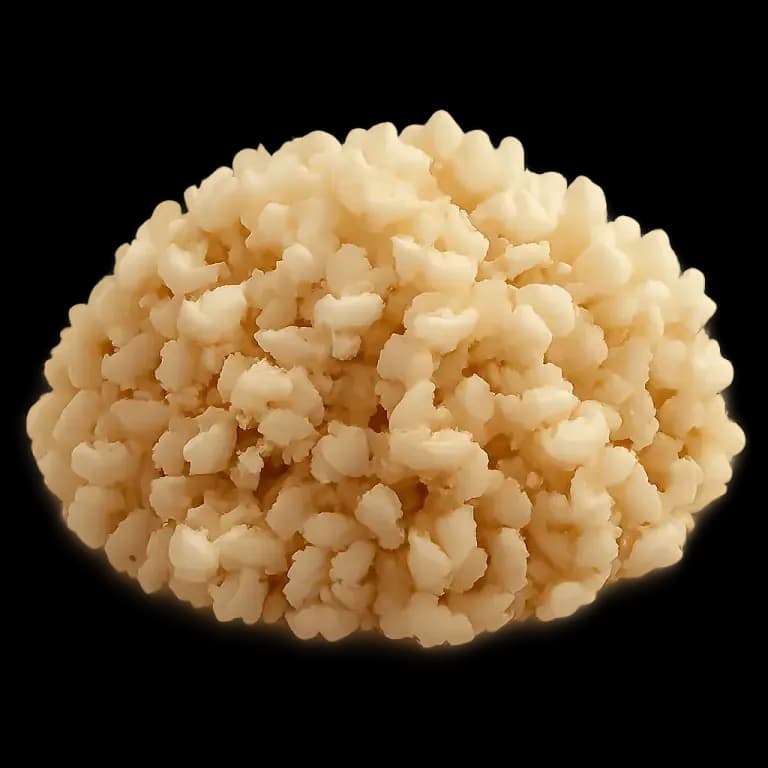 50QuinoaCooked. The grain with real protein
 43Cooked white riceMiddling, and that is fine
 42Cooked whole wheat pastaPasta is not the enemy
 35Whole wheat breadThe best of the loaves, still a loaf
 35Corn tortillaAbout level with wholemeal bread
Bread is the honest disappointment here. White bread is 21, wholemeal 35, a bagel 24, a croissant 10. Wholemeal is genuinely better than white, and it is still bread: the fiber moves the number by fourteen points, not forty. Breakfast cereal is worse than its shelf position suggests — 6 for a typical one, and granola at 19 is the one that surprises people: 489 calories per 100 g, and nobody has ever measured out 30 of them.
Snacks
The hardest category, because snacking is not really about hunger and a list of virtuous alternatives ignores that. The rule that works is not “eat this instead” but same job, better food: match the moment, the texture and the kind of pleasure, and change only what the thing is made of.
 92Jack Link'sBeef Jerky OriginalChewy, salty, all protein
- 91Cottage cheese (1%)The best-value snack in the fridge
- 85StrawberriesWhen the craving is sweet
- 66EdamameFrozen, salted, four minutes
- 51Hard-boiled eggThe one that travels
 32PopcornWhen the craving is crunch and salt
For scale, the usual suspects: chips 10, trail mix 10, granola bar 9, crackers 15, a typical protein bar 38. That last one deserves a sentence: it is the highest of the five and still the most overrated, because the protein is real and everything around it — dry, calorie-dense, engineered to be eaten in a minute — pulls the other way. The best bars we have scored reach the low 60s. A pot of yogurt starts at 91.
The packaged aisle
Branded products get the same treatment as everything else: the numbers come off the label, the formula does not know or care what the brand is. Some of what wins is unglamorous.
This aisle is also where the score stops being the whole story. When the same people were fed matched menus that differed only in how processed the food was, the processed fortnight added about 500 calories a day without anyone deciding to eat more. And in a 2025 trial where both diets followed official healthy-eating guidance and only the processing differed, the minimally processed one still produced roughly a kilo more weight loss over eight weeks. A tin of beans and an equivalently scored reformulated snack are not actually equivalent, and we would rather say that than pretend our own number captures everything. What processing does to a food — and why it still is not the single villain — is in everyone has a villain.
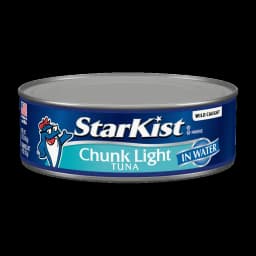
 100StarKistChunk Light TunaShelf-stable protein, in water
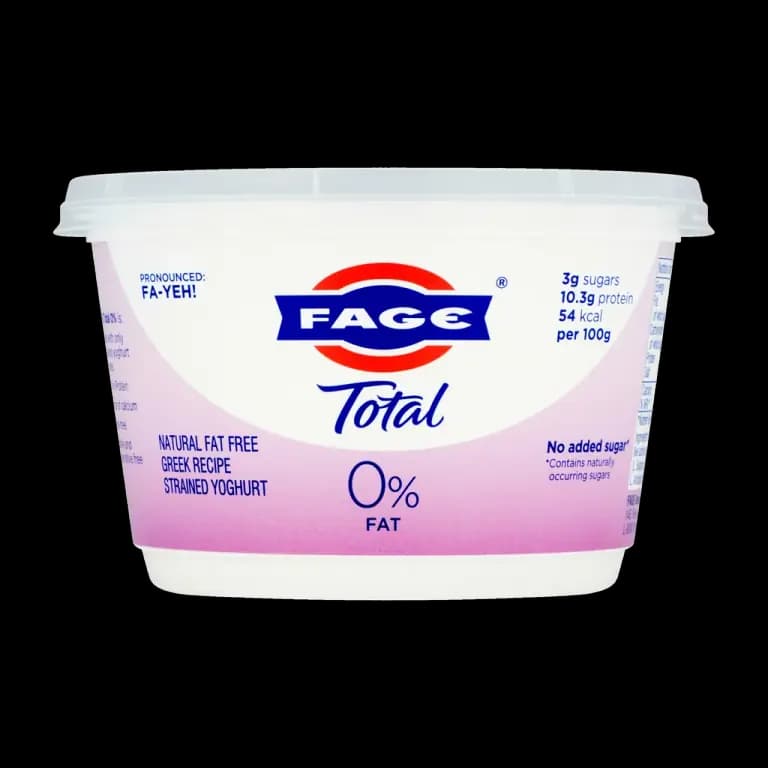 94FageTotal 0%Plain strained yogurt, nothing added
 93ProgressoChicken Noodle SoupCanned soup is mostly broth, and broth wins
 92ArlaKvarg NaturellThe Nordic version of the same idea
 91Siggi'sPlain 0%Skyr — thicker again
 91ChobaniGreek Plain Non-FatThe one on every shelf
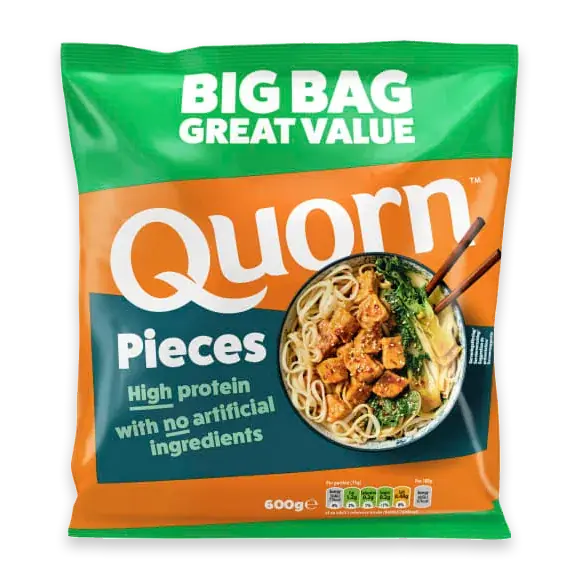 91QuornPiecesMycoprotein: water and protein, little else
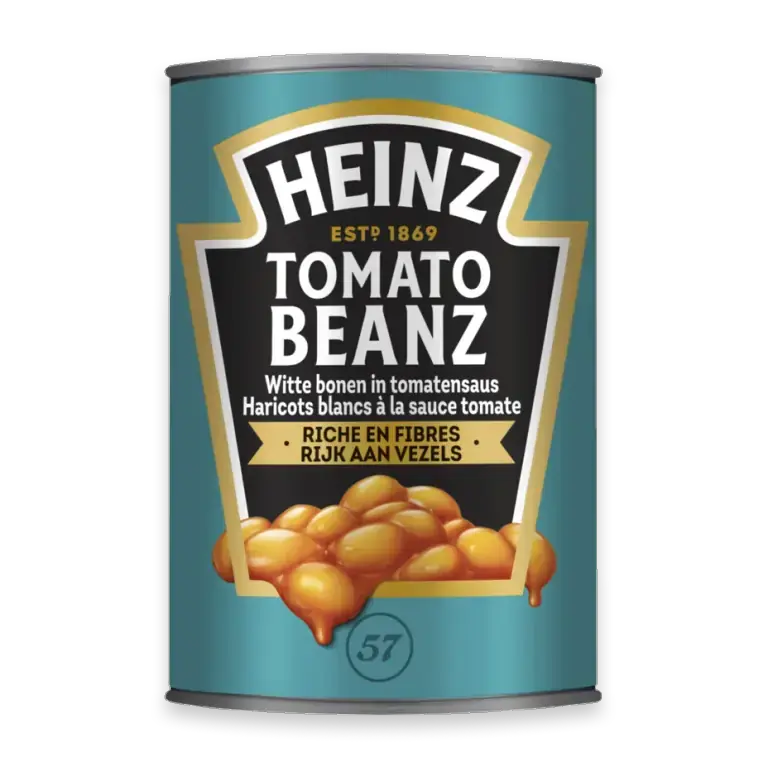 79HeinzBeanzYes, really. Beans in tomato sauce
 56KashiGoLean OriginalThe rare cereal with the protein to back it
And at the other end, the ones sold on the promise of being the lighter option: Triscuit at 21, SkinnyPop at 18, kettle chips at 13. “Skinny” on a bag describes the marketing, not the food.
The health halo, and why a low score is not an accusation
A pattern runs through those categories. The foods that score worst are rarely the ones anyone thinks of as junk. They are the ones with reputations: granola, dried fruit, smoothies, trail mix, hummus, nut butter, protein bars, olive oil.
There is no contradiction. This score measures one thing — how full a food leaves you for the calories it carries — and calorie-dense foods lose on it by construction, however good they are for you otherwise. Olive oil scores 18. It is still olive oil. Almonds score 24 — and whole nuts are treated slightly unfairly by every calorie label, including ours. Measured properly, about a third of the calories in whole almonds are never absorbed. The catch is that this depends entirely on the nut staying intact: grind it into nut butter and the discount vanishes.
A low score is a price tag, not a verdict.
The useful way to hold it: high-scoring foods are what you build the structure of a day out of, and low-scoring foods are what you spend the remaining room on. Nothing is banned here. Nothing is going to be.
What a day made of these looks like
Not a meal plan — those fail for the same reason diets do. This is what the categories above turn into when you actually cook. Every one of these is scored the same way a food is, from its ingredients.
Breakfast
 53Berry yogurt smoothieBlended, and it still holds up
 50Greek yogurt berry bowlAssembly, not cooking
 49Cottage cheese scrambled eggsFive minutes, 30 g of protein
 46Protein French toastWeekend food that still holds
 44Stovetop oatmealThe plain version, done properly
 43Protein overnight oatsMade the night before, eaten cold
Lunch and dinner
 89Slow cooker turkey breastCook once, eat off it all week
 83Chicken noodle soupSoup does most of the work for you
 78White chicken chiliBeans, chicken, broth — every route at once
 75Chicken and broccoli stir-fryThe template: protein plus a vegetable
 72Cottage cheese chicken parmComfort food that survives the swap
 61Dense bean salad with chickenKeeps for days in the fridge
Notice how many of them are soup or stew. That is not a coincidence: adding water to a meal and calling it soup genuinely reduces how much people eat afterwards, and it is one of the more reliable findings in this literature.
Sides, snacks and something sweet
 76Iceberg wedge saladDressing and all
 72Viral cucumber saladThe internet got this one right
 64Garlic green beansA side that earns its place
 54Tuna saladLightened, not de-fatted
 52Cottage cheese bowlSavory, five minutes
 49Strawberry cottage cheese ice creamDessert that behaves like a snack
If you want to work it out yourself
You do not need this to use anything above, and almost nobody does arithmetic in a shop. But if you want to judge a food we have never scored, two numbers off the back of the pack will get you most of the way.
First: calories per 100 g. This is the water question, asked in the only way that matters. It sorts almost everything.
Calories per 100 g
- under 50
- Eat freelyLeafy greens, most vegetables, broth, melon, berries
- 50–150
- The workhorse zonePotatoes, beans, yogurt, lean fish and poultry, cooked grains, most fruit
- 150–300
- Worth noticingBread, cheese, fattier cuts, ready meals, avocado
- over 300
- ConcentratedOil, butter, nuts, chocolate, chips, dried fruit, anything dry
Second: protein, against those calories. Take the protein per 100 g and the calories per 100 g. If the food brings roughly 8 grams of protein or more for every 100 calories, it is doing real protein work. Chicken breast brings 21. Cod brings 24. Greek yogurt and cottage cheese bring about 17. Bread brings 4, and biscuits bring 2, whatever the front of the box says about grains.
One consequence of that arithmetic is worth sitting with: per calorie, broccoli carries about as much protein as an egg. That is true and it is not a trick. It is also not advice to live on broccoli: you would have to eat well over a kilo to get an egg's worth of protein in absolute terms, and the protein in an egg is more usable by the body than the protein in a vegetable. Both facts are real. Keep both.
What this list cannot tell you
Everything above is a model, and being straight about where a model is thin is the only reason to trust it where it is solid.
One more thing that is not in the score at all: how fast you eat. Eating the same meal more slowly reliably means eating less of it. No food list will do that for you.
Where to start
Pick one category above — the one where you already eat something most days — and make one swap inside it. Strained yogurt instead of ordinary. Lean mince instead of standard. Soup at the start of the meal you always overeat. Let it become boring before you change anything else.
Then look up the three foods you ate yesterday and see where they sit. Not to feel bad about any of them. Just to notice that the numbers are frequently not where you expected, which is the whole reason this site exists.