The guide
The best high-satiety snacks
Snacking is not the problem, and the score is not the whole answer either. For snacks the per-100 g number is the wrong one to read, so this guide leads with what one real handful actually costs.

Dr. Andreas Eenfeldt, MD · · 10 min read
What are you after?
- Or try a tool:
- The handful
- Which fills you up more?
- Swap finder


A preference, not an allergy check — read the label.
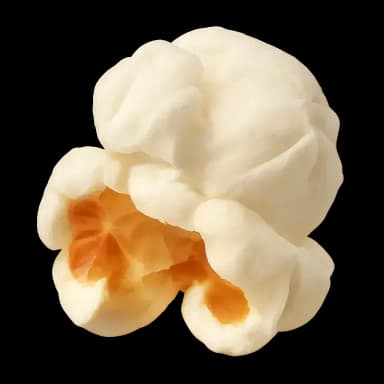
Most snacking is not hunger. It is four o'clock, or the packet being open, or a screen and a free hand. When researchers gave cinema-goers week-old stale popcorn, the people with a strong popcorn habit ate the same amount as those given fresh — about two-thirds of the box — and how hungry they were made no difference at all. That is not a character flaw. It is a cue doing what cues do.
So the useful question is not whether to snack. It is what to reach for, and the gap between the best and the worst answer at that moment is bigger than most whole meals.
There is a catch, though, and this guide leads with it because almost every snack list gets it wrong.
What a portion actually costs
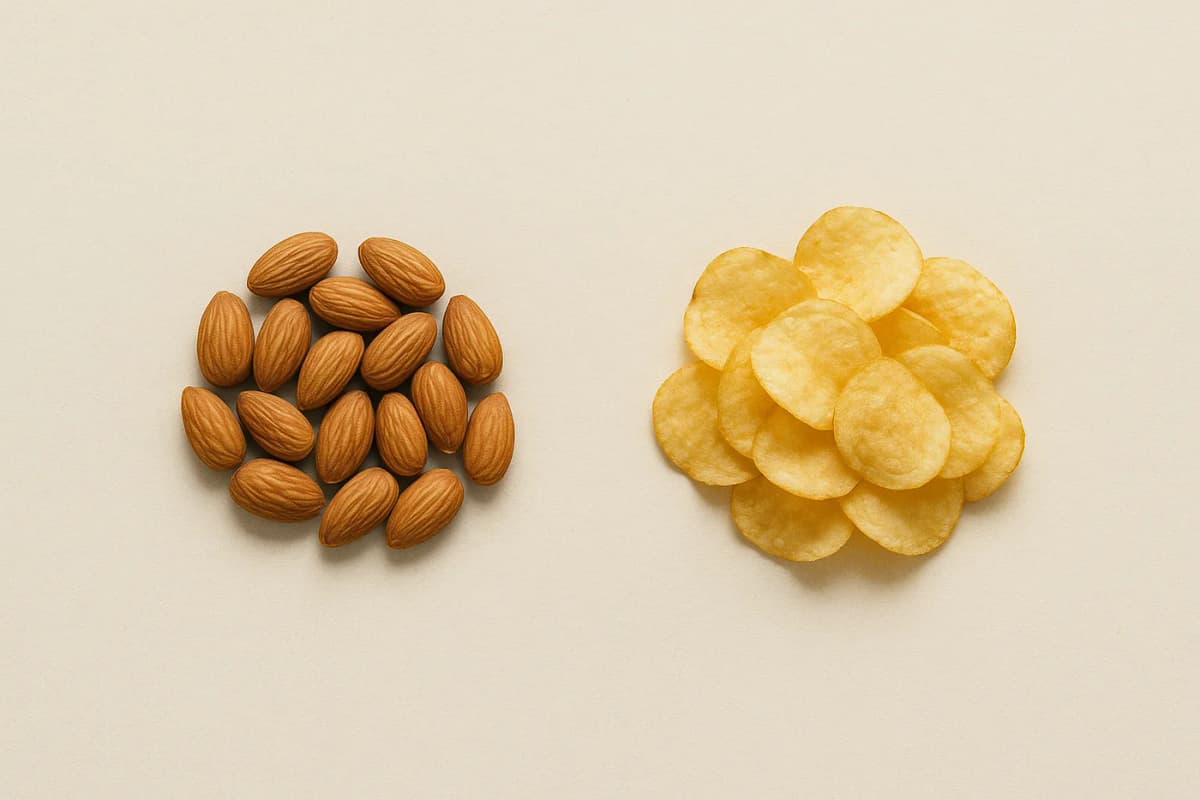
Our score is per 100 grams. For a meal that is roughly the unit you eat, so it works. For a snack it is not: nobody eats 100 grams of almonds, and almost everybody eats 100 grams of yogurt. Read the score alone and you will get nuts badly wrong.
So here is the same list of snacks sorted the other way — by what one ordinary portion costs, with the score kept alongside it. Make the portions yours with the slider, and tap any row to measure the rest against it.


That is the whole reason this guide exists — and the almonds are also where it gets complicated, so here is the complication now rather than buried at the end. The 188 calories are real. But when 136 habitual snackers ate a daily almond snack for a whole year against a matched biscuit snack, there was no difference in body weight, and pooling 55 trials of adding nuts to a diet gives a weight effect of essentially zero. Some of that is the third of almond calories never absorbed; most of it is that people quietly eat less later. So: know that the handful is expensive, and do not conclude that nuts make you gain weight, because the trials say they do not.
A pot of plain Greek yogurt is 104 calories and 17 grams of protein, and it ends when the pot does.
A snack is not a food. It is a food, times a portion — and the portion is the part nobody prints on the front.
What makes a snack work
Four things. The first two are what the score reads; the last two are not in it at all, and the fourth is what separates snacks from everything else on this site.
It carries protein. Appetite chases protein and keeps eating until it finds enough. Given three 160-calorie afternoon snacks, the protein one pushed the next meal about half an hour further away than chocolate did. Worth knowing where that stops, though: the same lab, with more people, found that going from 5 grams of protein to 14 in the same yogurt changed nothing at all. Protein beats fat and sugar in a snack. More protein does not automatically beat less. It carries water. Water is a route to a good score all on its own, which is why a bowl of berries and a small bag of chips do not feel like the same transaction.
It needs chewing. Eating the same food more slowly means eating less of it, and drinking it instead is worse still — the same food in liquid form is compensated for so poorly that daily intake rises 12 to 19 percent. And it comes in a portion that ends. A pot, a tin, a piece of fruit. This is not a soft point: across feeding studies, simply serving smaller portions cut intake by around 235 calories a day. It is the most reliable thing on this page, and it is about the container rather than the food.
Which is why the table came first. A container that finishes is doing work your attention would otherwise have to do, and attention is exactly what a snack does not get. If you want the mechanism in full, it is in how to feel full on fewer calories.
Three pairs from this page. Guess first.
By craving
Sorted by what you want rather than by food group, because that is how the decision is really made — and because it changes what the number means. Ranked against everything, a score reads as a verdict. Ranked inside a craving, where every option is a legitimate answer to the same want, it reads as mileage: this is how far each one takes you. Every list below runs from most filling downwards, and each ends with the top and bottom of the real shelf in your country.
Crunchy and salty
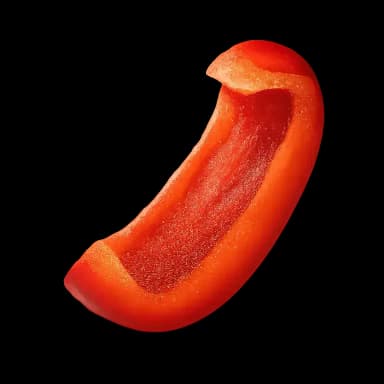
The hardest craving to answer, and the one where vegetables genuinely work — because what is being craved is texture and salt, not calories. This is the only category where you can have as much as you want and it barely registers.

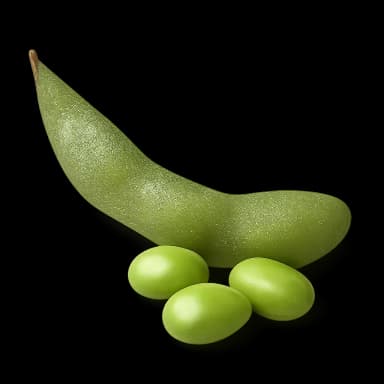
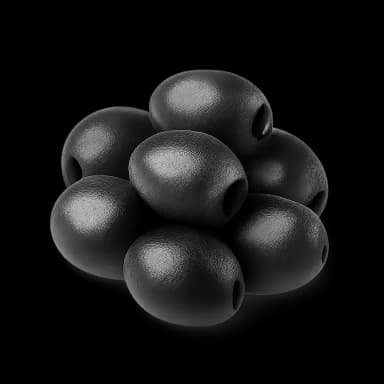
The trap here is the thing that arrives in a bag. Crackers score 15 and a modest six of them is 125 calories; hummus is 32, well under the chickpeas it came from, because blending them with oil is what makes it hummus. The pairing is fine. The bottomless version of it is what costs.
Sweet
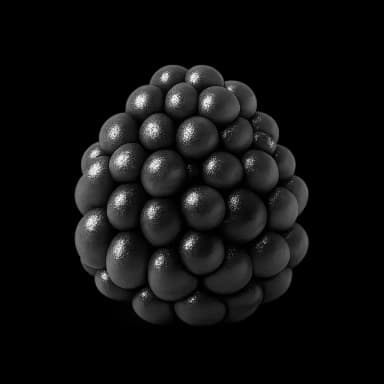
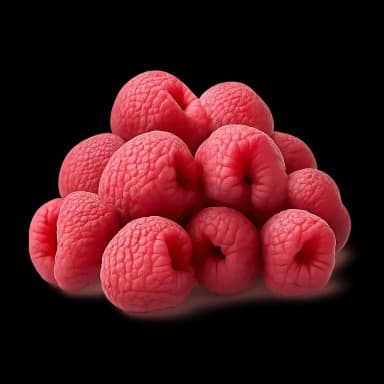
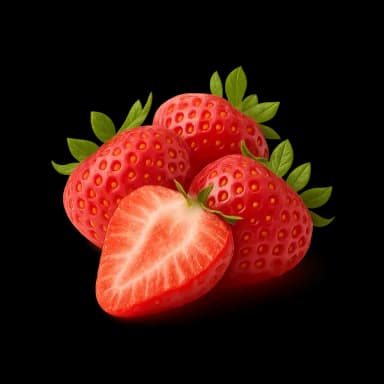
The easiest craving to answer well, because fruit is mostly water and the sugar arrives attached to something you have to chew. A punnet of berries is a genuinely large amount of food for the price of four squares of chocolate.


Dried fruit is the exception that catches people. Raisins score 8 — the water has gone and the sugar has not — and a small box is 120 calories, about the same as four squares of dark chocolate. It is a sweet, and there is nothing wrong with that; it is just not the fruit it came from.

Creamy and cold
The biggest single upgrade on this page. Strained dairy — Greek yogurt, skyr, quark, cottage cheese — has had the watery whey removed, which roughly doubles the protein for the same calories. Same spoon, same moment, same three minutes.


Two things to know. Flavored pots vary enormously, so the number on the pot beats the rule — and cheese, which feels like it belongs in this group, does not behave like it: cheddar scores 28, because it is protein and fat at 400 calories per 100 grams.
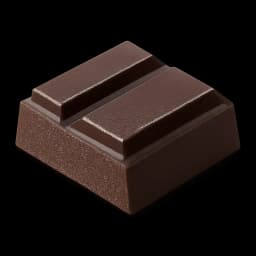
Chocolate
The craving this genre usually lies about — and the one shelf where the score splits the products in two. The reformulated sweets and puddings score high because the formula reads the label it is handed: fiber and protein where the sugar used to be. Chocolate itself stays where its calories put it. Both are honest answers to different questions, and if you want chocolate, sometimes the answer is chocolate.
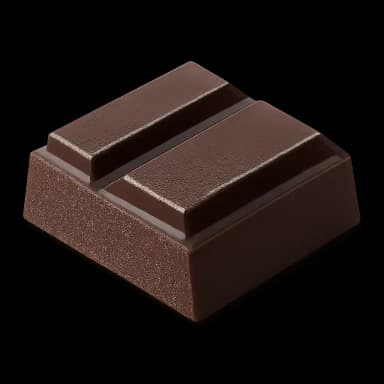
Frozen and chilled versions do better than bars because they are mostly water — that is the whole trick, and it is not a nutritional sleight of hand. Four squares of dark chocolate is 150 calories and scores 14, which is a perfectly reasonable thing to spend an evening on. Knowing the number is not the same as being told not to.

When it is actually hunger
Sometimes there are five hours between lunch and dinner and the answer is not a craving strategy, it is food. Here the portion can be bigger, because the job is different: bridge the gap without wrecking the next meal.

Seven ways snacking goes wrong
None of these is a moral failure and none of the foods involved is banned. They are the seven places where the effort people put in does not come back.
Same salty handful, 97 calories instead of 188. Powdered peanut butter: most of the fat pressed out, most of the flavor left in.



Swaps that hold up



What do you usually reach for?
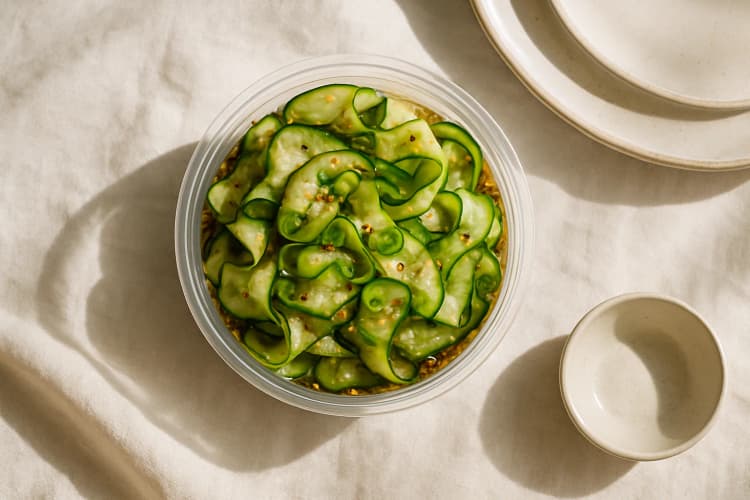
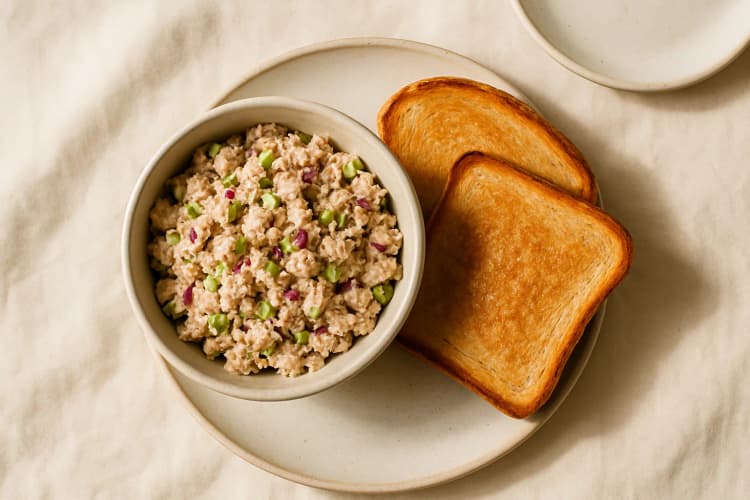
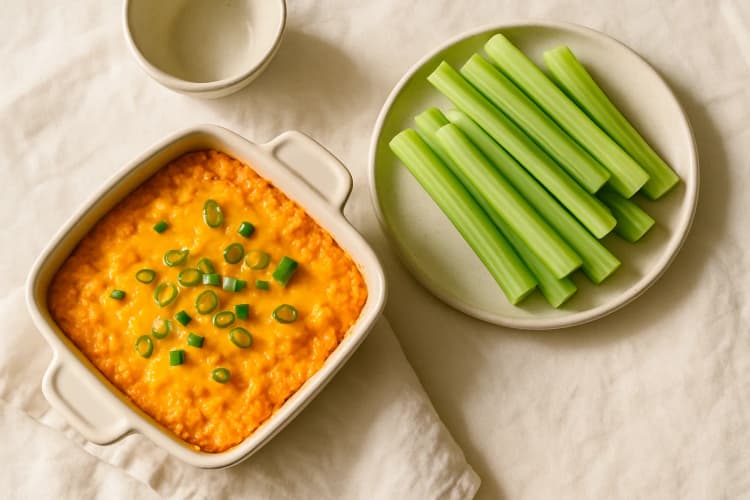
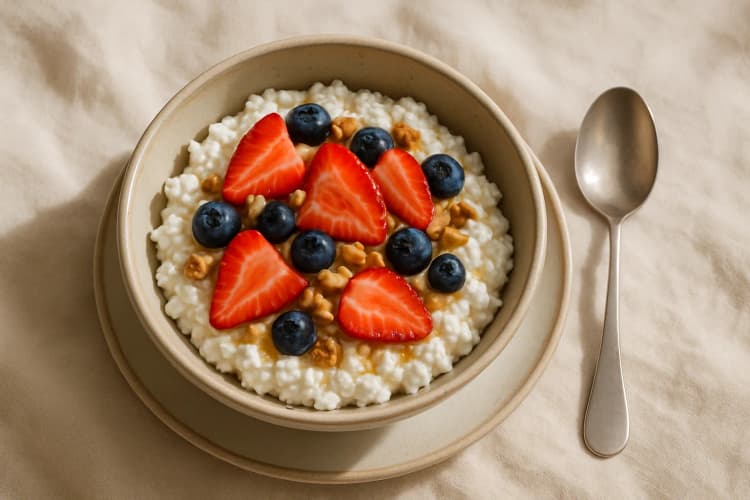
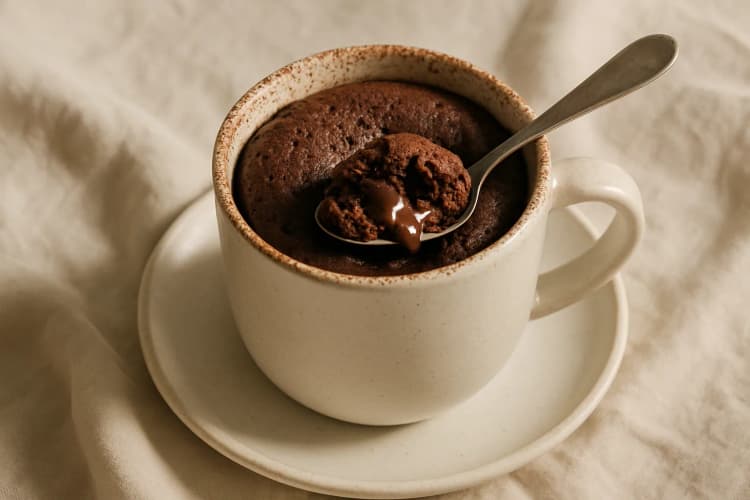
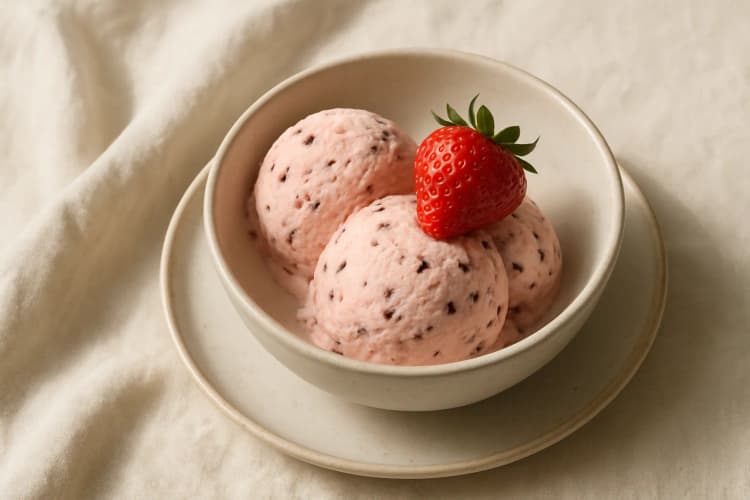
Snacks worth making
Five minutes, and scored the same way a food is — from their ingredients, not from a claim on a box.
What this can't tell you
Where to start
Pick the craving you actually get, take one swap from it, and let it become boring before you change anything else. Then do the thing that costs nothing: put the good snack where the hand reaches first.